In the realm of healthcare, assisted nursing plays a pivotal role in ensuring that patients receive comprehensive and compassionate care. As you navigate through the complexities of the healthcare system, you may find that assisted nursing encompasses a wide range of responsibilities, from basic daily activities to more specialized medical tasks. This multifaceted approach allows nurses to provide personalized care tailored to each patient’s unique needs, fostering an environment where healing can thrive.
You might notice that assisted nursing not only addresses physical health but also considers emotional and psychological well-being, creating a holistic approach to patient care. Moreover, assisted nursing serves as a bridge between patients and the broader healthcare team. As you engage with nurses, you may observe how they communicate vital information about your condition to doctors and other healthcare professionals.
This collaboration is essential for developing effective treatment plans and ensuring continuity of care. By acting as advocates for their patients, nurses help to ensure that your voice is heard and that your preferences are taken into account in the decision-making process. This advocacy is particularly important in complex cases where patients may feel overwhelmed or uncertain about their treatment options.
Key Takeaways
- Assisted nursing plays a crucial role in providing comprehensive care and support to patients.
- Patients benefit from assisted nursing through personalized care, improved health outcomes, and enhanced comfort.
- Assisted nursing contributes to patient safety by providing continuous monitoring, timely intervention, and preventing medical errors.
- Patients experience higher satisfaction with assisted nursing due to individualized attention, effective communication, and emotional support.
- Assisted nursing is essential in preventing hospital-acquired infections through proper hygiene practices and infection control measures.
The Benefits of Assisted Nursing for Patients
When you consider the benefits of assisted nursing, it becomes clear that this form of care significantly enhances the patient experience. One of the most immediate advantages is the increased level of attention and support you receive. With nurses dedicated to assisting you with daily activities such as bathing, dressing, and eating, you may find that your comfort and dignity are prioritized.
This personalized attention not only helps you maintain your independence but also fosters a sense of trust and security in your care team. Additionally, assisted nursing can lead to improved health outcomes. As you interact with nurses who are trained to monitor your vital signs and recognize changes in your condition, you may experience quicker interventions when issues arise.
This proactive approach can prevent complications and reduce hospital stays, ultimately leading to a more efficient recovery process. The presence of skilled nursing staff can also alleviate anxiety, as you know that help is readily available should you need it.
How Assisted Nursing Improves Patient Safety
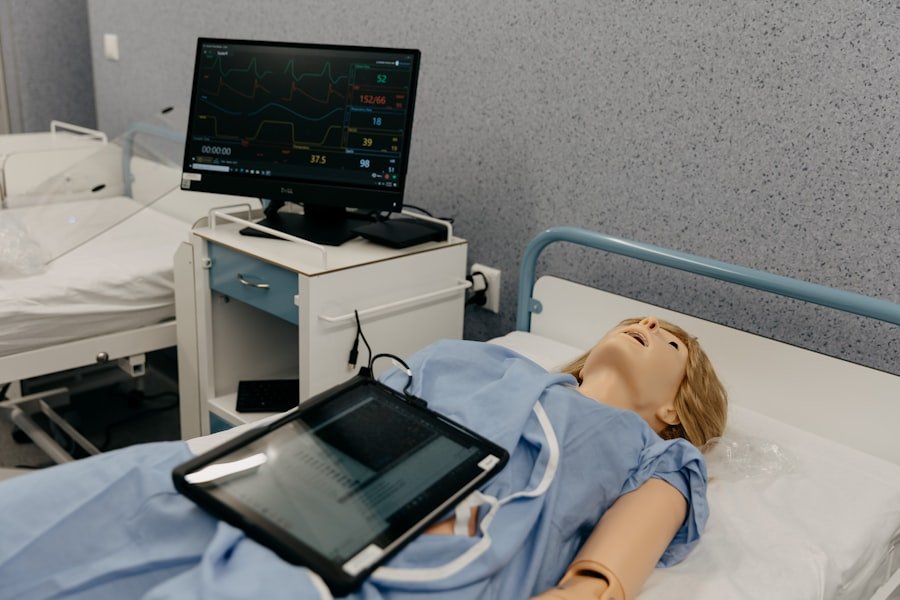
Patient safety is a paramount concern in healthcare, and assisted nursing plays a crucial role in enhancing safety protocols. As you engage with nursing staff, you may notice their keen attention to detail when it comes to monitoring your health status. They are trained to identify potential risks and take preventive measures to mitigate them.
For instance, if you are at risk for falls due to mobility issues, nurses can implement safety measures such as bed alarms or assistive devices to ensure your well-being. Furthermore, assisted nursing contributes to medication safety, which is a critical aspect of patient care.
Their vigilance in this area helps prevent medication errors that could have serious consequences for your health. By maintaining accurate records and communicating effectively with the rest of the healthcare team, nurses help create a safer environment for all patients.
The Impact of Assisted Nursing on Patient Satisfaction
| Metrics | Data |
|---|---|
| Number of patients receiving assisted nursing | 500 |
| Patient satisfaction rating before assisted nursing | 3.5 out of 5 |
| Patient satisfaction rating after assisted nursing | 4.2 out of 5 |
| Percentage increase in patient satisfaction | 20% |
Your satisfaction as a patient is influenced by many factors, and assisted nursing plays a significant role in shaping your overall experience. When you receive attentive and compassionate care from nursing staff, it can greatly enhance your perception of the healthcare system. You may feel more valued and respected when nurses take the time to listen to your concerns and address your needs promptly.
This level of engagement fosters a positive relationship between you and your caregivers, which can lead to higher satisfaction rates. Moreover, assisted nursing often leads to better communication between patients and healthcare providers. As you interact with nurses who are dedicated to keeping you informed about your treatment plan and progress, you may feel more empowered in your healthcare journey.
This transparency not only builds trust but also encourages you to ask questions and participate actively in your care decisions. Ultimately, when patients feel heard and involved, their satisfaction levels tend to rise significantly.
The Importance of Assisted Nursing in Preventing Hospital Acquired Infections
In the context of healthcare, preventing hospital-acquired infections (HAIs) is a critical concern that directly impacts patient safety and outcomes. Assisted nursing plays an essential role in implementing infection control measures that protect you from these potentially serious complications.
These practices are vital in minimizing the risk of infections during your hospital stay. Additionally, nurses are often responsible for educating patients about infection prevention strategies. You might find that they take the time to explain the importance of proper wound care or how to recognize signs of infection early on.
By empowering you with knowledge, assisted nursing not only helps prevent HAIs but also encourages you to take an active role in your own health management. This collaborative approach can significantly reduce the incidence of infections and improve overall patient outcomes.
Assisted Nursing and its Contribution to Patient Rehabilitation

Personalized Rehabilitation Programs
As you embark on your rehabilitation journey, you may find that nurses are instrumental in guiding you through exercises and therapies designed to restore your strength and mobility. Their expertise allows them to tailor rehabilitation programs to meet your specific needs, ensuring that you receive the appropriate level of support throughout your recovery.
Motivation and Encouragement
Moreover, assisted nursing fosters a sense of motivation and encouragement during rehabilitation. You might notice how nurses celebrate your progress, no matter how small, which can boost your morale and inspire you to push through challenges.
Emotional Support
Their presence can make a significant difference in your rehabilitation experience, as they provide not only physical assistance but also emotional support during what can be a difficult time.
The Role of Assisted Nursing in Medication Management
Medication management is a critical component of patient care that requires careful attention and coordination. As you navigate through various treatments, assisted nursing ensures that your medications are administered correctly and on schedule. Nurses play an essential role in monitoring your response to medications, allowing them to identify any adverse effects or necessary adjustments promptly.
This vigilant oversight helps optimize your treatment plan and enhances overall safety. In addition to administering medications, assisted nursing involves educating patients about their prescriptions. You may find that nurses take the time to explain the purpose of each medication, potential side effects, and the importance of adherence to the prescribed regimen.
This education empowers you to take control of your health by understanding how medications work and why they are essential for your recovery.
Assisted Nursing and its Effect on Patient Education and Support
Patient education is a cornerstone of effective healthcare, and assisted nursing plays a significant role in providing this essential support. As you engage with nursing staff, you may find that they take the time to explain complex medical concepts in a way that is easy for you to understand. This clear communication helps demystify your condition and treatment options, allowing you to make informed decisions about your care.
Furthermore, assisted nursing extends beyond mere education; it encompasses emotional support as well. You might find that nurses are not only knowledgeable but also compassionate listeners who provide reassurance during challenging times. Their ability to connect with patients on a personal level fosters an environment where you feel comfortable expressing concerns or asking questions.
This supportive relationship can significantly enhance your overall experience within the healthcare system.
The Integration of Assisted Nursing in Palliative Care
Palliative care focuses on providing relief from the symptoms and stress of serious illnesses, emphasizing quality of life for both patients and their families. Assisted nursing plays an integral role in this specialized field by offering compassionate support tailored to individual needs. As you navigate through palliative care, you may find that nurses are dedicated not only to managing physical symptoms but also addressing emotional and spiritual concerns.
In this context, assisted nursing fosters open communication between patients, families, and healthcare providers. You might notice how nurses facilitate discussions about goals of care and preferences for end-of-life decisions. By ensuring that everyone involved is on the same page, assisted nursing helps create a supportive environment where patients can receive care aligned with their values and wishes.
The Future of Assisted Nursing in Enhancing Patient Care
As healthcare continues to evolve, the future of assisted nursing holds great promise for enhancing patient care further. With advancements in technology and an increasing emphasis on personalized medicine, you may see nurses adopting innovative tools that improve patient outcomes. For instance, telehealth services allow nurses to monitor patients remotely, providing timely interventions while reducing hospital visits.
Moreover, as the demand for healthcare services grows, there will likely be an increased focus on training and education for nursing staff. You might find that future nurses will be equipped with advanced skills in areas such as data analysis and patient-centered care models. This evolution will enable them to provide even more effective support as they adapt to the changing landscape of healthcare delivery.
Overcoming Challenges in Implementing Assisted Nursing for Patient Care
While assisted nursing offers numerous benefits for patient care, there are challenges that must be addressed for its successful implementation. One significant hurdle is staffing shortages within the healthcare system. As you may have experienced firsthand, inadequate staffing can lead to increased workloads for nurses, potentially compromising the quality of care provided.
Addressing this issue requires strategic planning and investment in workforce development. Additionally, there may be resistance to change among some healthcare professionals when it comes to integrating assisted nursing into existing practices. You might encounter situations where traditional roles are deeply entrenched, making it difficult for new models of care to gain traction.
Overcoming this resistance will require ongoing education about the benefits of assisted nursing and fostering a culture that values collaboration among all members of the healthcare team. In conclusion, assisted nursing plays an indispensable role in enhancing patient care across various dimensions—from improving safety and satisfaction to preventing infections and facilitating rehabilitation. As you navigate through your healthcare journey, recognizing the value of assisted nursing can empower you to engage actively with your caregivers while fostering a collaborative environment that prioritizes your well-being.
Assisted nursing plays a crucial role in enhancing the quality of life for seniors, providing them with the necessary support and care to maintain their independence and well-being. For those interested in exploring the broader benefits of assisted living, an insightful article titled “The Benefits of Assisted Living for Seniors” delves into how these facilities offer a supportive environment tailored to the needs of older adults. This article highlights the various advantages, such as personalized care plans, social engagement opportunities, and access to healthcare services, which collectively contribute to a more fulfilling and secure lifestyle for seniors. To learn more, you can read the full article by following this link.
FAQs
What is assisted nursing?
Assisted nursing refers to the provision of nursing care and support to individuals who require assistance with their daily activities due to illness, injury, or aging.
What services are provided in assisted nursing?
Assisted nursing services may include medication management, wound care, assistance with activities of daily living (ADLs), monitoring of vital signs, and coordination of care with other healthcare professionals.
Who can benefit from assisted nursing?
Individuals who can benefit from assisted nursing include those recovering from surgery, managing chronic illnesses, living with disabilities, or requiring support with aging-related issues.
Where can assisted nursing services be provided?
Assisted nursing services can be provided in various settings, including hospitals, long-term care facilities, rehabilitation centers, and in the individual’s own home.
How is assisted nursing different from other types of nursing care?
Assisted nursing differs from other types of nursing care in that it specifically focuses on providing support and assistance to individuals who require help with their daily activities and healthcare needs.
🌿 Recommended Wellness Support
If you’re looking for natural ways to support your overall vitality and energy as you age, consider exploring LionCare Wellness Products.
These supplements are designed to complement a healthy lifestyle — helping you stay active and feel your best every day.
💚 Affiliate note: We may earn a commission when you make a purchase through our link, helping us continue to share free wellness tips for seniors.
💌 Join Our Wellness Community
Want more simple, science-based health tips for active aging?
Subscribe to our newsletter here:
👉 The Restoration Newsletter on Beehiiv


