
As you age, the significance of nutrition becomes increasingly paramount.
A well-balanced diet is essential not only for physical well-being but also for mental clarity and emotional stability.
Proper nutrition can help you manage chronic conditions, enhance your immune system, and improve your quality of life. By focusing on what you eat, you can empower yourself to lead a healthier, more active lifestyle. Moreover, good nutrition plays a crucial role in preventing age-related diseases.
As you grow older, your risk for conditions such as heart disease, diabetes, and osteoporosis increases. By prioritizing a nutrient-rich diet, you can mitigate these risks and promote longevity. Eating a variety of foods ensures that you receive the vitamins and minerals necessary for optimal functioning.
In essence, nutrition is not just about sustenance; it is a vital component of your overall health strategy as you navigate the later stages of life.
Key Takeaways
- Proper nutrition is crucial for seniors to maintain overall health and well-being.
- Key nutrients for healthy aging include calcium, vitamin D, B vitamins, and omega-3 fatty acids.
- Maintaining a balanced diet involves consuming a variety of fruits, vegetables, whole grains, lean proteins, and healthy fats.
- Protein plays a vital role in senior nutrition by supporting muscle mass, strength, and overall health.
- Staying hydrated is essential for seniors to maintain proper bodily functions and prevent dehydration-related health issues.
Key Nutrients for Healthy Aging
When considering your dietary choices, it’s essential to focus on key nutrients that support healthy aging. Vitamins and minerals such as calcium, vitamin D, and B vitamins are particularly important. Calcium and vitamin D work together to maintain bone health, which is crucial as the risk of fractures increases with age.
Incorporating dairy products, leafy greens, and fortified foods into your diet can help you meet these needs effectively. Additionally, antioxidants like vitamins C and E play a significant role in combating oxidative stress, which can lead to chronic diseases. Foods rich in these vitamins, such as fruits, vegetables, nuts, and seeds, should be staples in your diet.
Omega-3 fatty acids are another critical nutrient that supports heart health and cognitive function. You can find these beneficial fats in fatty fish like salmon, walnuts, and flaxseeds. By ensuring that your diet is rich in these key nutrients, you can significantly enhance your health and well-being as you age.
Tips for Maintaining a Balanced Diet
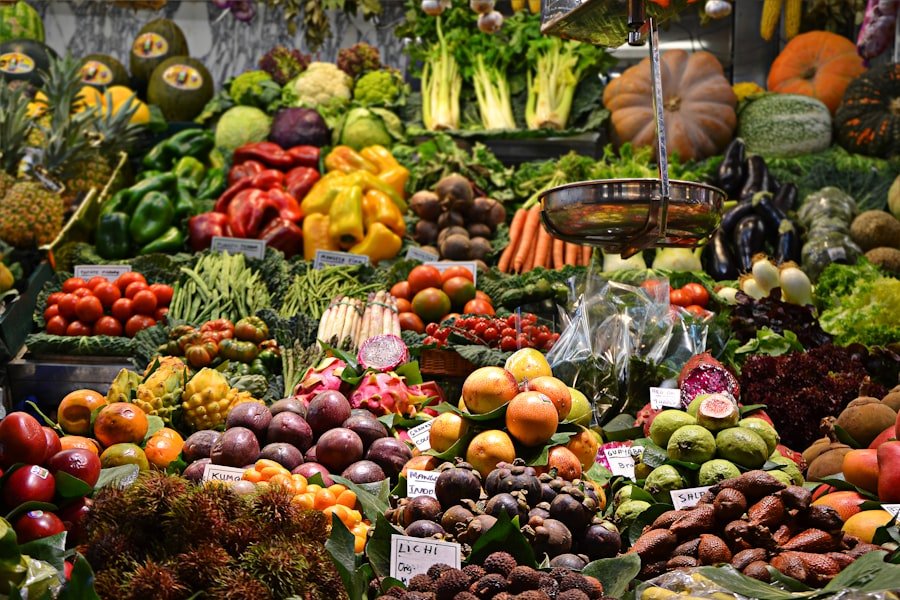
Maintaining a balanced diet may seem daunting at times, but with a few practical strategies, you can make it manageable. Start by planning your meals ahead of time. This allows you to incorporate a variety of food groups and ensures that you are meeting your nutritional needs.
Consider creating a weekly menu that includes fruits, vegetables, whole grains, lean proteins, and healthy fats. This not only simplifies grocery shopping but also helps you avoid impulsive food choices that may not be beneficial. Another effective tip is to practice portion control.
As your metabolism slows down with age, it’s important to be mindful of how much you eat. Using smaller plates can help you manage portion sizes without feeling deprived. Additionally, try to eat slowly and savor each bite; this can enhance your enjoyment of food and help you recognize when you are full.
By adopting these habits, you can create a balanced diet that supports your health goals while still allowing for flexibility and enjoyment in your meals.
The Role of Protein in Senior Nutrition
| Protein Source | Recommended Intake | Benefits |
|---|---|---|
| Lean meats | 2-3 servings per day | Provides essential amino acids for muscle health |
| Fish | 2 servings per week | Rich in omega-3 fatty acids for heart health |
| Dairy products | 3 servings per day | Good source of calcium and vitamin D for bone health |
| Legumes | 2-3 servings per week | High in fiber and antioxidants for digestive health |
Protein is often referred to as the building block of life, and its importance cannot be overstated as you age. As your body loses muscle mass over time—a condition known as sarcopenia—adequate protein intake becomes essential for maintaining strength and mobility. Including high-quality protein sources in your diet can help preserve muscle mass and support overall physical function.
Foods such as lean meats, poultry, fish, eggs, legumes, and dairy products are excellent options to consider. In addition to muscle maintenance, protein plays a vital role in repairing tissues and supporting immune function. As you age, your immune system may weaken, making it crucial to consume enough protein to bolster your defenses against illness.
Aim to include protein in every meal and snack to ensure that you are meeting your daily requirements. By prioritizing protein in your diet, you can enhance your physical health and maintain an active lifestyle well into your senior years.
Importance of Hydration for Seniors
Hydration is often overlooked but is incredibly important for seniors. As you age, your body’s ability to sense thirst diminishes, which can lead to dehydration if you’re not proactive about drinking enough fluids. Staying hydrated is essential for maintaining bodily functions such as digestion, circulation, and temperature regulation.
Dehydration can lead to serious health issues like urinary tract infections or kidney stones, making it vital to prioritize fluid intake. To ensure adequate hydration, aim to drink water throughout the day rather than waiting until you’re thirsty. Carrying a water bottle with you can serve as a reminder to sip regularly.
Additionally, incorporating hydrating foods like fruits and vegetables into your meals can contribute to your overall fluid intake. Foods such as cucumbers, watermelon, oranges, and soups are excellent choices that not only hydrate but also provide essential nutrients. By being mindful of your hydration needs, you can support your health and well-being as you age.
Nutritional Considerations for Common Health Conditions in Seniors

As you navigate the aging process, certain health conditions may require specific nutritional considerations. For instance, if you have diabetes, managing carbohydrate intake becomes crucial for maintaining stable blood sugar levels. Focusing on complex carbohydrates found in whole grains and legumes while limiting simple sugars can help you achieve better control over your condition.
Similarly, if you’re dealing with hypertension or high blood pressure, reducing sodium intake is essential. Opting for fresh foods over processed ones can significantly lower your salt consumption while still allowing for flavorful meals through herbs and spices. If osteoporosis is a concern, increasing calcium and vitamin D intake through diet or supplements may be necessary to support bone health.
By tailoring your nutrition to address these common health issues, you can take proactive steps toward managing your conditions effectively.
The Impact of Medications on Nutrition for Seniors
Medications can have a profound impact on nutrition for seniors. Many common medications may affect appetite or alter how nutrients are absorbed in the body. For example, certain medications used to treat high blood pressure or depression may lead to decreased appetite or changes in taste perception.
This can make it challenging for you to maintain a balanced diet. Additionally, some medications may interact with specific nutrients or require dietary adjustments for optimal effectiveness. For instance, blood thinners may necessitate monitoring vitamin K intake found in leafy greens.
It’s essential to communicate openly with your healthcare provider about any medications you’re taking and their potential effects on your nutrition. By staying informed and making necessary dietary adjustments, you can ensure that your nutritional needs are met while managing your medications effectively.
Strategies for Overcoming Appetite Loss in Seniors
Experiencing a loss of appetite is not uncommon among seniors; however, it can lead to inadequate nutrient intake if not addressed promptly. One effective strategy is to focus on smaller, more frequent meals rather than three large ones each day. This approach can make eating feel less overwhelming while still providing the necessary calories and nutrients.
Another helpful tactic is to enhance the appeal of meals by experimenting with flavors and textures. Incorporating herbs and spices can make dishes more enticing while also providing additional health benefits. Additionally, consider involving family members or friends in meal preparation or dining experiences; social interactions during meals can stimulate appetite and make eating more enjoyable.
By implementing these strategies, you can combat appetite loss and ensure that you’re nourishing your body adequately.
The Role of Fiber in Senior Nutrition
Fiber is an essential component of a healthy diet that often gets overlooked as you age. It plays a crucial role in digestive health by promoting regular bowel movements and preventing constipation—a common issue among seniors. Including fiber-rich foods such as whole grains, fruits, vegetables, legumes, nuts, and seeds in your diet can significantly improve digestive function.
Moreover, fiber has additional benefits beyond digestion; it helps regulate blood sugar levels and lowers cholesterol levels, contributing to heart health. As you incorporate more fiber into your meals, aim to increase your intake gradually while also drinking plenty of water to aid digestion. By prioritizing fiber-rich foods in your diet, you can support both digestive health and overall well-being as you age.
Tips for Healthy Snacking for Seniors
Snacking can be an excellent way to meet nutritional needs between meals; however, it’s important to choose healthy options that provide energy without excessive calories or unhealthy ingredients. When selecting snacks, aim for those that combine protein with healthy fats or fiber for sustained energy levels. For example, pairing apple slices with almond butter or yogurt with berries makes for nutritious choices that keep hunger at bay.
Additionally, consider preparing snacks ahead of time so they are readily available when hunger strikes. Portioning out nuts or cut-up vegetables into small containers can make it easier to grab a healthy snack on the go. Remember that snacking should complement your meals rather than replace them; by making mindful choices about what you snack on, you can enhance your overall nutrition while enjoying delicious treats throughout the day.
Seeking Professional Nutrition Guidance for Seniors
Navigating the complexities of nutrition as a senior can be challenging; therefore, seeking professional guidance from a registered dietitian or nutritionist may be beneficial. These experts can provide personalized advice tailored to your specific health needs and dietary preferences. They can help you create meal plans that address any medical conditions while ensuring that you’re meeting all necessary nutrient requirements.
Additionally, working with a professional can offer support in overcoming any barriers you may face regarding food preparation or meal planning. They can provide practical tips on shopping for healthy foods on a budget or suggest easy recipes that fit within your dietary restrictions. By seeking professional nutrition guidance, you empower yourself with the knowledge and tools needed to make informed choices about your diet—ultimately enhancing your health and quality of life as you age gracefully.
When discussing nutrition for seniors, it’s important to consider the broader context of senior care and support. An article that complements this topic is Supporting Seniors: The Role of In-Home Caregivers. This article explores how in-home caregivers can play a crucial role in ensuring seniors receive proper nutrition, alongside other essential care services. By understanding the interconnectedness of nutrition and caregiving, we can better support the health and well-being of the elderly population.
FAQs
What is the importance of nutrition for seniors?
Nutrition is important for seniors as it helps to maintain overall health, manage chronic conditions, support immune function, and improve energy levels.
What are some common nutritional challenges for seniors?
Common nutritional challenges for seniors include decreased appetite, difficulty chewing or swallowing, limited access to fresh and healthy foods, and changes in metabolism.
What are some key nutrients that seniors should focus on in their diet?
Seniors should focus on getting adequate amounts of calcium, vitamin D, vitamin B12, fiber, and protein in their diet to support bone health, energy levels, and overall well-being.
How can seniors maintain a healthy diet as they age?
Seniors can maintain a healthy diet by eating a variety of fruits, vegetables, whole grains, lean proteins, and healthy fats, staying hydrated, and limiting processed and high-sugar foods.
What are some tips for caregivers to help seniors with their nutrition?
Caregivers can help seniors with their nutrition by preparing balanced meals, encouraging regular hydration, providing support with grocery shopping and meal planning, and consulting with a healthcare professional if needed.
🌿 Recommended Wellness Support
If you’re looking for natural ways to support your overall vitality and energy as you age, consider exploring LionCare Wellness Products.
These supplements are designed to complement a healthy lifestyle — helping you stay active and feel your best every day.
💚 Affiliate note: We may earn a commission when you make a purchase through our link, helping us continue to share free wellness tips for seniors.
💌 Join Our Wellness Community
Want more simple, science-based health tips for active aging?
Subscribe to our newsletter here:
👉 The Restoration Newsletter on Beehiiv


