
As you age, maintaining your physical fitness becomes increasingly vital for your overall well-being. Senior fitness is not merely about staying in shape; it encompasses a holistic approach to health that includes physical, mental, and emotional aspects.
By prioritizing fitness, you empower yourself to remain independent and active, allowing you to enjoy life to the fullest. Moreover, senior fitness plays a crucial role in preventing age-related decline. As you grow older, your body naturally undergoes changes that can affect strength, balance, and flexibility.
Regular exercise can counteract these changes, helping you maintain muscle mass and bone density. This proactive approach not only reduces the risk of falls and injuries but also fosters a sense of accomplishment and boosts your self-esteem. Embracing fitness as a senior is an investment in your future, ensuring that you can continue to engage in activities you love.
Key Takeaways
- Senior fitness is important for maintaining independence, preventing chronic diseases, and improving overall quality of life.
- Low-impact workouts for seniors can improve cardiovascular health, strengthen muscles, and reduce the risk of injury.
- Common concerns about senior fitness include fear of injury, lack of motivation, and misconceptions about the benefits of exercise.
- Getting started with a low-impact workout routine involves consulting with a healthcare professional, setting realistic goals, and finding enjoyable activities.
- Safe and effective exercises for seniors include walking, swimming, yoga, and tai chi, which can improve strength, flexibility, and balance.
Benefits of Low-Impact Workouts for Seniors
Low-impact workouts are particularly beneficial for seniors, as they provide a safe and effective way to stay active without putting undue stress on your joints. These types of exercises allow you to improve your cardiovascular health, build strength, and enhance flexibility while minimizing the risk of injury. Activities such as walking, swimming, or cycling can be easily incorporated into your routine, making them accessible regardless of your fitness level.
Additionally, low-impact workouts can be tailored to meet your individual needs and preferences. Whether you prefer group classes or solo sessions, there are countless options available that cater to various interests. Engaging in low-impact exercises not only helps you stay physically fit but also promotes social interaction and mental well-being.
The camaraderie found in group settings can provide motivation and encouragement, making it easier for you to stick with your fitness goals.
Common Concerns and Misconceptions about Senior Fitness

Despite the numerous benefits of senior fitness, many individuals harbor concerns or misconceptions that may prevent them from engaging in regular exercise. One common belief is that exercise is too risky for older adults, leading to injuries or falls. However, when approached correctly, physical activity can significantly reduce the risk of injury by improving balance and coordination.
Understanding that exercise can be adapted to suit your abilities is crucial in dispelling this myth. Another misconception is that seniors should avoid strength training altogether. In reality, strength training is essential for maintaining muscle mass and bone density as you age.
Many seniors fear that lifting weights will lead to injury or strain; however, with proper guidance and appropriate modifications, strength training can be both safe and beneficial. By addressing these concerns and educating yourself about the importance of fitness, you can take proactive steps toward a healthier lifestyle.
How to Get Started with a Low-Impact Workout Routine
| Low-Impact Workout Routine | Benefits |
|---|---|
| Walking | Improves cardiovascular health, strengthens bones, and boosts mood |
| Swimming | Works all major muscle groups, improves flexibility, and reduces stress on joints |
| Cycling | Builds strength and muscle tone, improves joint mobility, and reduces stress on joints |
| Yoga | Increases flexibility, improves posture, and reduces stress and anxiety |
Embarking on a low-impact workout routine may seem daunting at first, but with a few simple steps, you can ease into a sustainable fitness regimen. Start by assessing your current fitness level and identifying any limitations or health concerns. Consulting with a healthcare professional or a certified trainer who specializes in senior fitness can provide valuable insights and help you create a personalized plan that aligns with your goals.
Once you have a plan in place, begin by incorporating short sessions of low-impact activities into your daily routine. Aim for at least 150 minutes of moderate-intensity exercise each week, which can be broken down into manageable segments. Whether it’s a brisk walk around the neighborhood or a gentle swim at the local pool, consistency is key.
Gradually increase the duration and intensity of your workouts as you become more comfortable and confident in your abilities.
Safe and Effective Exercises for Seniors
When it comes to selecting exercises for seniors, safety and effectiveness should be your top priorities. Low-impact activities such as walking, cycling, swimming, and yoga are excellent choices that promote cardiovascular health without straining your joints. These exercises can be easily modified to suit your individual needs, allowing you to progress at your own pace.
In addition to aerobic activities, incorporating strength training exercises into your routine is essential for building muscle and maintaining bone density. Resistance bands, light weights, or bodyweight exercises like squats and modified push-ups can be effective options. Always remember to warm up before starting any workout and cool down afterward to prevent injury and promote recovery.
Incorporating Strength Training into a Senior Fitness Routine
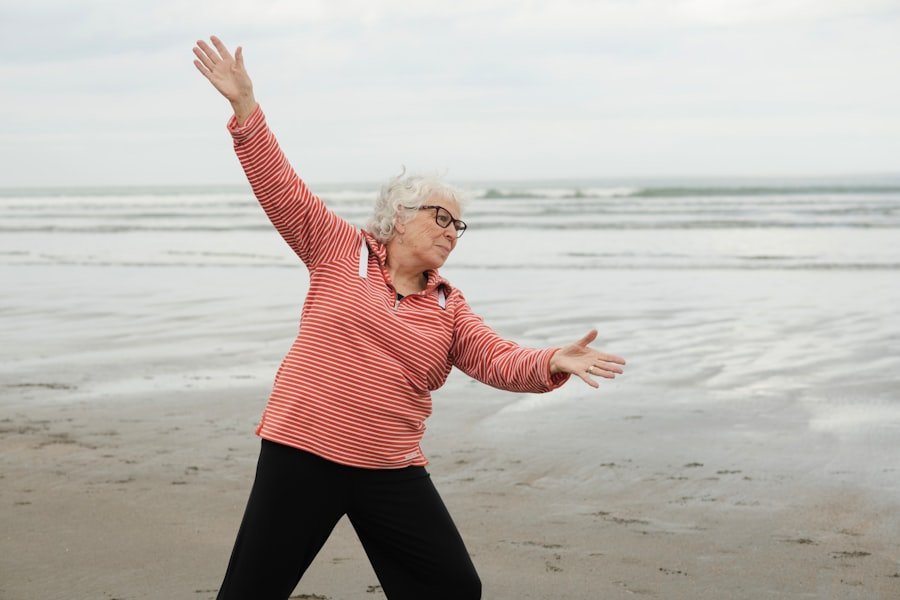
Strength training is often overlooked in senior fitness routines, yet it is one of the most effective ways to combat age-related muscle loss. As you age, your body naturally loses muscle mass, which can lead to decreased strength and mobility. By incorporating strength training into your routine at least two days a week, you can counteract this decline and improve your overall functional ability.
When starting with strength training, focus on major muscle groups such as the legs, arms, back, and core. Begin with lighter weights or resistance bands to ensure proper form and technique before gradually increasing the resistance as you gain strength. It’s essential to listen to your body; if something feels uncomfortable or painful, don’t hesitate to modify the exercise or seek guidance from a professional trainer.
Flexibility and Balance Exercises for Healthy Aging
Flexibility and balance are critical components of senior fitness that often receive less attention than cardiovascular or strength training. As you age, maintaining flexibility helps prevent stiffness and enhances your range of motion. Simple stretching exercises can be incorporated into your daily routine to improve flexibility in key areas such as the hips, shoulders, and back.
Activities like tai chi or simple balance exercises such as standing on one leg can help improve stability and coordination. By dedicating time to flexibility and balance training, you not only enhance your physical capabilities but also boost your confidence in daily activities.
The Role of Cardiovascular Exercise in Senior Fitness
Cardiovascular exercise plays a vital role in promoting heart health and overall well-being as you age. Engaging in regular aerobic activities helps improve circulation, lower blood pressure, and enhance lung capacity—all essential factors for maintaining good health. Low-impact options such as walking, swimming, or cycling are excellent choices that allow you to reap the benefits without putting excessive strain on your body.
Aim for at least 150 minutes of moderate-intensity cardiovascular exercise each week. This can be broken down into shorter sessions throughout the week to make it more manageable. Not only does cardiovascular exercise improve physical health, but it also has positive effects on mental well-being by reducing symptoms of anxiety and depression.
Finding enjoyable activities will make it easier for you to stay committed to your fitness journey.
Tips for Preventing Injury and Overexertion in Senior Workouts
As you embark on your fitness journey, it’s crucial to prioritize safety to prevent injuries and overexertion. Start each workout with a proper warm-up to prepare your muscles and joints for activity; this can include gentle stretching or light movements that gradually increase in intensity. Pay attention to how your body feels during exercise; if you experience pain or discomfort, it’s essential to stop and reassess.
Additionally, consider incorporating rest days into your routine to allow your body time to recover. Overtraining can lead to fatigue and increase the risk of injury; therefore, listening to your body’s signals is vital for long-term success. Staying hydrated before, during, and after workouts is also important for maintaining energy levels and preventing dehydration.
The Importance of Proper Nutrition for Senior Fitness
Nutrition plays an integral role in supporting your fitness goals as a senior. A balanced diet rich in whole foods—such as fruits, vegetables, whole grains, lean proteins, and healthy fats—provides the essential nutrients needed for optimal health. Proper nutrition not only fuels your workouts but also aids in recovery and helps maintain muscle mass.
As you age, your nutritional needs may change; therefore, it’s important to pay attention to portion sizes and ensure you’re getting enough protein to support muscle repair and growth. Staying hydrated is equally important; aim to drink plenty of water throughout the day to support overall health and performance during workouts.
Creating a Supportive and Motivating Environment for Senior Fitness
Creating a supportive environment is key to staying motivated on your fitness journey. Surround yourself with individuals who encourage and inspire you—whether it’s friends who join you for workouts or family members who cheer you on from the sidelines. Consider joining local fitness classes or community groups designed specifically for seniors; these settings foster camaraderie and provide opportunities for social interaction.
Additionally, setting realistic goals can help keep you motivated as you progress in your fitness journey. Celebrate small achievements along the way—whether it’s completing a certain number of workouts each week or mastering a new exercise—these milestones will reinforce your commitment to staying active. Remember that every step counts toward better health; embrace the journey with positivity and determination.
For seniors looking to maintain an active lifestyle, incorporating regular exercise into their routine is crucial for enhancing overall health and well-being. Engaging in physical activities can help improve balance, flexibility, and strength, which are essential for daily functioning and preventing falls. Additionally, exercise can have positive effects on mental health, reducing symptoms of anxiety and depression. For those interested in learning more about how supportive services can enhance well-being, the article on companionship care offers valuable insights into how community support can play a role in maintaining a healthy and active lifestyle for seniors.
FAQs
What are the benefits of exercise for seniors?
Regular exercise for seniors can help improve balance, flexibility, strength, and endurance. It can also reduce the risk of chronic diseases such as heart disease, diabetes, and osteoporosis. Exercise can also improve mood and mental health, and help seniors maintain independence as they age.
What types of exercises are recommended for seniors?
Seniors are encouraged to engage in a variety of exercises including aerobic activities (such as walking, swimming, or dancing), strength training (using resistance bands or weights), flexibility exercises (like yoga or stretching), and balance exercises (such as tai chi or standing on one foot).
How often should seniors exercise?
Seniors should aim for at least 150 minutes of moderate-intensity aerobic activity per week, or 75 minutes of vigorous-intensity activity, along with muscle-strengthening activities on two or more days per week. It’s important to consult with a healthcare provider before starting a new exercise routine.
What are some safety tips for seniors when exercising?
Seniors should always warm up before exercising, stay hydrated, and listen to their bodies. It’s important to use proper form and technique to avoid injury, and to wear appropriate footwear and clothing. Seniors should also be mindful of any pre-existing health conditions and modify exercises as needed.
Are there specific exercises that seniors should avoid?
Seniors with certain health conditions or mobility issues should avoid high-impact activities like running or jumping, and exercises that put excessive strain on the joints. It’s important to consult with a healthcare provider or a fitness professional to determine the most suitable exercises for individual needs.
🌿 Recommended Wellness Support
If you’re looking for natural ways to support your overall vitality and energy as you age, consider exploring LionCare Wellness Products.
These supplements are designed to complement a healthy lifestyle — helping you stay active and feel your best every day.
💚 Affiliate note: We may earn a commission when you make a purchase through our link, helping us continue to share free wellness tips for seniors.
💌 Join Our Wellness Community
Want more simple, science-based health tips for active aging?
Subscribe to our newsletter here:
👉 The Restoration Newsletter on Beehiiv


