
As you age, the importance of maintaining an active lifestyle becomes increasingly evident. Senior workouts are not merely a trend; they are a vital component of healthy aging. Engaging in regular physical activity can significantly enhance your quality of life, allowing you to enjoy daily activities with greater ease and confidence.
By incorporating workouts into your routine, you can improve your physical health, mental well-being, and overall vitality. Moreover, senior workouts play a crucial role in preventing age-related decline. As you grow older, your body naturally undergoes various changes, including muscle loss, decreased bone density, and reduced flexibility.
Regular exercise can counteract these effects, helping you maintain strength, balance, and coordination. This not only reduces the risk of falls and injuries but also empowers you to remain independent and active in your later years.
Key Takeaways
- Senior workouts are important for maintaining overall health and well-being as we age.
- Staying active as a senior can lead to numerous benefits, including improved physical and mental health.
- Common concerns and misconceptions about senior workouts can be addressed with proper guidance and information.
- Choosing the right workout routine for seniors involves considering individual needs, abilities, and goals.
- Starting a senior workout program requires careful planning, support, and a gradual approach to avoid injury and promote long-term success.
Benefits of Staying Active as a Senior
Staying active as a senior offers a multitude of benefits that extend beyond physical health. One of the most significant advantages is the positive impact on mental health. Regular exercise has been shown to reduce symptoms of anxiety and depression, promoting a sense of well-being and happiness.
As you engage in physical activity, your body releases endorphins, which are natural mood lifters. This can lead to improved cognitive function and a sharper mind, allowing you to stay mentally agile as you age. In addition to mental health benefits, staying active can enhance your social life.
Participating in group classes or community activities provides opportunities to meet new people and forge meaningful connections. This social interaction is essential for combating feelings of loneliness and isolation that can sometimes accompany aging. By staying active, you not only improve your physical health but also enrich your social experiences, leading to a more fulfilling life.
Common Concerns and Misconceptions about Senior Workouts

Despite the numerous benefits of senior workouts, there are several common concerns and misconceptions that may deter you from starting or maintaining an exercise routine. One prevalent myth is that exercise is too risky for older adults. While it’s true that certain precautions should be taken, the reality is that a well-structured workout program can be safe and beneficial for seniors.
In fact, engaging in regular physical activity can help mitigate many health risks associated with aging. Another misconception is that seniors should only engage in low-intensity activities. While gentle exercises like walking or stretching are important, it’s equally essential to incorporate a variety of workouts that challenge your body.
Strength training, for instance, is often overlooked but is crucial for maintaining muscle mass and bone density. By addressing these misconceptions and understanding the importance of a balanced workout routine, you can empower yourself to embrace fitness at any age.
Choosing the Right Workout Routine for Seniors
| Workout Routine | Benefits | Frequency |
|---|---|---|
| Low-impact cardio | Improves cardiovascular health, joint mobility | 3-5 times per week |
| Strength training | Increases muscle mass, bone density | 2-3 times per week |
| Flexibility exercises | Improves range of motion, reduces risk of injury | Daily |
| Balance exercises | Reduces risk of falls, improves stability | 2-3 times per week |
When it comes to selecting the right workout routine as a senior, it’s essential to consider your individual needs, preferences, and fitness level.
Consulting with a healthcare professional or a certified fitness trainer who specializes in senior fitness can provide valuable insights tailored to your specific situation.
Once you have a clear understanding of your capabilities, explore various types of exercises that resonate with you. Whether it’s swimming, yoga, dancing, or strength training, finding activities that you enjoy will make it easier to stay committed. Additionally, consider incorporating a mix of cardiovascular exercises, strength training, and flexibility work into your routine for a well-rounded approach to fitness.
Tips for Starting a Senior Workout Program
Embarking on a new workout program can feel daunting, but with the right approach, you can set yourself up for success. Begin by setting realistic goals that align with your fitness level and lifestyle. Instead of aiming for drastic changes overnight, focus on gradual improvements that will keep you motivated and engaged.
For instance, start with short sessions of 10-15 minutes and gradually increase the duration as you build endurance. Establishing a consistent schedule is also crucial for maintaining your workout routine. Choose specific days and times for your workouts and treat them as important appointments.
This commitment will help you develop a habit over time. Additionally, consider enlisting a workout buddy or joining a class to add an element of accountability and social interaction to your fitness journey.
Senior-Friendly Exercises and Activities
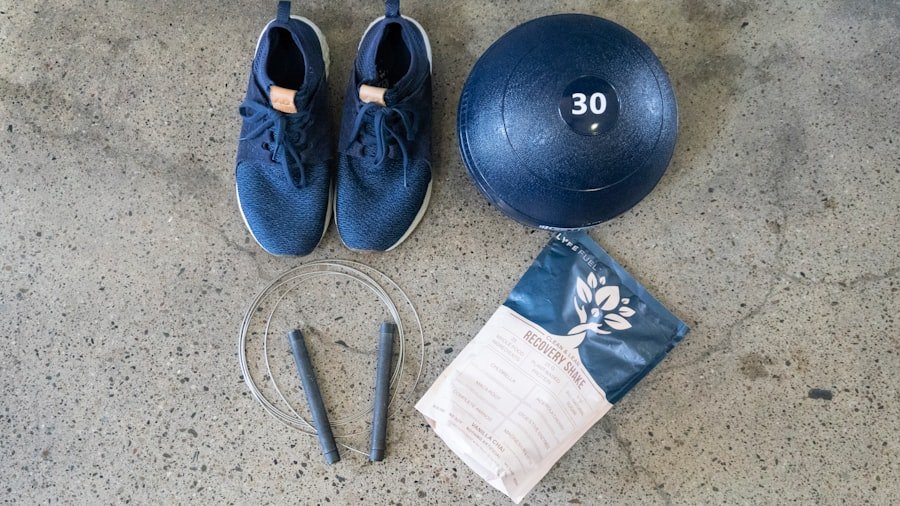
There is a wide array of senior-friendly exercises and activities that cater to different interests and fitness levels. Walking is one of the simplest yet most effective forms of exercise; it requires no special equipment and can be done almost anywhere. Whether you prefer strolling through your neighborhood or walking on a treadmill, this low-impact activity can significantly improve cardiovascular health.
Water aerobics is another excellent option for seniors seeking a low-impact workout. The buoyancy of water reduces stress on joints while providing resistance for strength training. Classes are often available at local community centers or gyms, making it easy to find a supportive environment to engage in this enjoyable activity.
Additionally, consider exploring chair yoga or tai chi, both of which focus on gentle movements that enhance flexibility and balance.
Incorporating Strength Training into Senior Workouts
Strength training is an essential component of any senior workout routine, yet it is often overlooked. As you age, maintaining muscle mass becomes increasingly important for overall health and mobility. Incorporating strength training exercises into your routine can help combat muscle loss while improving bone density and joint stability.
You don’t need access to a gym or expensive equipment to engage in strength training; bodyweight exercises such as squats, lunges, and push-ups can be highly effective. Resistance bands are also an excellent tool for seniors as they provide adjustable resistance without the risk of injury associated with heavy weights. Aim to include strength training exercises at least two days per week for optimal results.
The Role of Flexibility and Balance in Senior Fitness
Flexibility and balance are critical components of senior fitness that should not be overlooked. As you age, your muscles tend to tighten, leading to decreased flexibility and an increased risk of injury. Incorporating stretching exercises into your routine can help maintain flexibility and improve your range of motion.
Simple stretches targeting major muscle groups can be performed daily or as part of your warm-up and cool-down routines. Balance exercises are equally important for preventing falls—a common concern among seniors. Activities such as standing on one leg or practicing tai chi can enhance stability and coordination.
By prioritizing flexibility and balance in your workouts, you’ll not only reduce the risk of injury but also enhance your overall functional ability in daily life.
Overcoming Challenges and Barriers to Senior Workouts
While the benefits of senior workouts are clear, there may be challenges that arise along the way. One common barrier is physical limitations due to chronic conditions or injuries. It’s essential to listen to your body and modify exercises as needed.
Working with a qualified trainer or physical therapist can help you develop a safe and effective workout plan tailored to your specific needs. Another challenge may be motivation or lack of time. Life can get busy, but prioritizing your health should be at the forefront of your mind.
Consider scheduling workouts during times when you feel most energized or enlisting friends or family members to join you for added support. Finding enjoyable activities will also make it easier to stay committed despite any obstacles that may arise.
The Importance of Proper Nutrition for Senior Fitness
Nutrition plays a pivotal role in supporting your fitness goals as a senior. A well-balanced diet rich in essential nutrients will fuel your workouts and aid in recovery. Focus on incorporating whole foods such as fruits, vegetables, lean proteins, whole grains, and healthy fats into your meals.
These foods provide the vitamins and minerals necessary for optimal health while supporting muscle maintenance and energy levels. Hydration is another critical aspect of nutrition that should not be overlooked. As you age, your sense of thirst may diminish, making it easy to become dehydrated.
Aim to drink plenty of water throughout the day, especially before and after workouts. Proper nutrition combined with regular exercise will enhance your overall well-being and help you achieve your fitness goals more effectively.
Staying Motivated and Consistent with Senior Workouts
Staying motivated and consistent with your senior workouts requires dedication and creativity. One effective strategy is to track your progress over time; keeping a journal or using fitness apps can help you visualize improvements in strength, endurance, or flexibility. Celebrating small milestones along the way will boost your motivation and encourage you to keep pushing forward.
Additionally, consider varying your workout routine to keep things fresh and exciting. Trying new classes or activities can reignite your passion for fitness while preventing boredom from setting in. Surrounding yourself with supportive friends or joining community groups focused on fitness can also provide encouragement and accountability as you navigate your wellness journey.
In conclusion, embracing senior workouts is essential for maintaining physical health, mental well-being, and overall quality of life as you age. By understanding the importance of staying active, addressing common concerns, choosing the right routines, and incorporating various exercises into your regimen, you can create a sustainable fitness plan that enhances your vitality for years to come.
For seniors looking to maintain their health and vitality, incorporating regular workouts into their routine is essential. Exercise can help improve balance, flexibility, and overall strength, which are crucial for maintaining independence as we age. In addition to physical benefits, regular workouts can also enhance mental well-being and reduce the risk of chronic diseases. For those interested in learning more about comprehensive care options that support an active lifestyle, the article on Quality Senior Care Services: Ensuring Comfort and Support provides valuable insights into services that can complement a fitness regimen, ensuring seniors receive the holistic care they need.
FAQs
What are senior workouts?
Senior workouts are exercise routines specifically designed for older adults to help improve strength, flexibility, balance, and overall health.
Why are senior workouts important?
Senior workouts are important for maintaining and improving physical health, preventing age-related muscle and bone loss, reducing the risk of falls, and promoting overall well-being in older adults.
What types of exercises are included in senior workouts?
Senior workouts typically include a combination of aerobic exercises, strength training, flexibility exercises, and balance exercises. These may include walking, swimming, light weightlifting, yoga, and tai chi.
Are there any specific considerations for senior workouts?
Yes, senior workouts should take into account any existing health conditions, mobility limitations, and potential risks for injury. It’s important for older adults to consult with a healthcare professional before starting a new exercise routine.
How often should seniors do workouts?
Seniors should aim to engage in physical activity for at least 150 minutes per week, which can be broken down into shorter sessions throughout the week. It’s important to find a balance between rest and exercise to prevent overexertion.
What are the benefits of senior workouts?
The benefits of senior workouts include improved strength, flexibility, balance, cardiovascular health, mood, and overall quality of life. Regular exercise can also help manage chronic conditions such as arthritis, diabetes, and heart disease.
🌿 Recommended Wellness Support
If you’re looking for natural ways to support your overall vitality and energy as you age, consider exploring LionCare Wellness Products.
These supplements are designed to complement a healthy lifestyle — helping you stay active and feel your best every day.
💚 Affiliate note: We may earn a commission when you make a purchase through our link, helping us continue to share free wellness tips for seniors.
💌 Join Our Wellness Community
Want more simple, science-based health tips for active aging?
Subscribe to our newsletter here:
👉 The Restoration Newsletter on Beehiiv


