
As you age, the significance of maintaining an active lifestyle becomes increasingly apparent.
Engaging in physical activity can enhance your quality of life, improve mental health, and reduce the risk of chronic diseases.
Studies have shown that seniors who incorporate exercise into their daily routines experience better mobility, increased energy levels, and a greater sense of independence. This is particularly vital as you navigate the challenges that come with aging. Moreover, exercise plays a crucial role in mental health.
It has been linked to reduced symptoms of anxiety and depression, which can often accompany the aging process. When you engage in physical activity, your body releases endorphins—natural mood lifters that can help combat feelings of sadness or isolation. Additionally, staying active can foster social connections, whether through group classes or community events, further enhancing your emotional well-being.
Thus, the importance of exercise transcends physical benefits; it is a holistic approach to maintaining a vibrant and fulfilling life as you age.
Key Takeaways
- Regular exercise is crucial for seniors to maintain overall health and well-being.
- Tailoring workout routines to fit senior needs is essential for safety and effectiveness.
- Low-impact exercises are beneficial for joint health and reducing the risk of injury.
- Strength training is important for maintaining muscle mass and preventing age-related muscle loss.
- Cardiovascular workouts are vital for heart health and overall fitness in seniors.
Tailoring Workout Routines to Fit Senior Needs
Creating a workout routine that suits your individual needs is essential for maximizing the benefits of exercise. As you consider your fitness goals, it’s important to take into account your current health status, any pre-existing conditions, and your personal preferences. A tailored approach ensures that you remain motivated and engaged while minimizing the risk of injury.
For instance, if you have joint issues or chronic pain, you might focus on low-impact activities that are easier on your body. In addition to physical considerations, think about what types of activities you enjoy. Whether it’s dancing, swimming, or walking in nature, finding joy in your workouts can make all the difference in sticking to a routine.
You might also want to incorporate variety into your regimen to keep things fresh and exciting. Mixing different types of exercises not only helps prevent boredom but also allows you to work on various aspects of fitness, such as strength, endurance, and flexibility. By personalizing your workout routine, you set yourself up for success and create a sustainable path toward better health.
Low-Impact Exercises for Joint Health
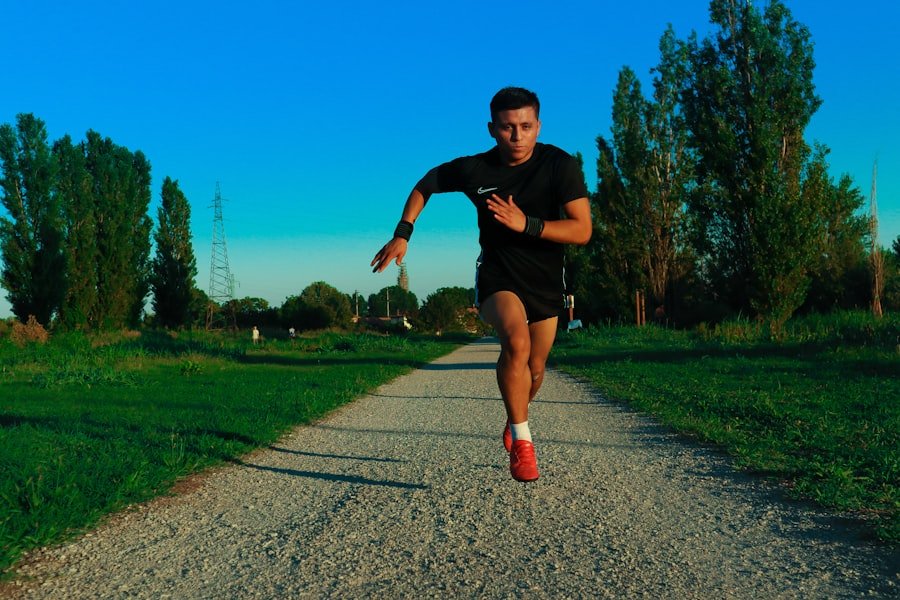
When it comes to protecting your joints while staying active, low-impact exercises are an excellent choice. These activities minimize stress on your joints while still providing significant health benefits. Walking is one of the simplest yet most effective low-impact exercises you can incorporate into your routine.
It’s easy to do and can be adjusted to fit your pace and endurance level. Whether you stroll through your neighborhood or take a walk in a local park, this activity promotes cardiovascular health without putting undue strain on your joints. Another great option is swimming or water aerobics.
The buoyancy of water supports your body, reducing the impact on your joints while allowing for a full range of motion. This makes it an ideal choice for seniors who may have arthritis or other joint issues. Additionally, cycling—whether on a stationary bike or outdoors—provides an excellent cardiovascular workout while being gentle on your knees and hips.
By incorporating these low-impact exercises into your routine, you can maintain joint health and enhance overall mobility.
Strength Training for Maintaining Muscle Mass
| Exercise | Sets | Reps | Rest |
|---|---|---|---|
| Squats | 3 | 8-12 | 60-90 seconds |
| Deadlifts | 3 | 6-10 | 2-3 minutes |
| Bench Press | 3 | 8-12 | 60-90 seconds |
| Shoulder Press | 3 | 8-12 | 60-90 seconds |
As you age, maintaining muscle mass becomes increasingly important for overall health and functional independence. Strength training is a powerful tool in this regard, helping to counteract the natural decline in muscle mass that occurs with aging. Engaging in regular strength training not only builds muscle but also improves bone density, which is crucial for preventing fractures and osteoporosis.
You don’t need to lift heavy weights; even light resistance training can yield significant benefits. Incorporating strength training into your routine can be as simple as using resistance bands or light weights at home. You might start with exercises like seated leg lifts or bicep curls, gradually increasing the resistance as you become stronger.
Aim for two to three sessions per week, focusing on different muscle groups each time. This approach not only helps maintain muscle mass but also enhances functional strength, making everyday tasks easier and reducing the risk of falls.
Cardiovascular Workouts for Heart Health
Cardiovascular workouts are essential for maintaining heart health as you age. Engaging in activities that elevate your heart rate can help lower blood pressure, improve circulation, and reduce the risk of heart disease. You might consider activities such as brisk walking, cycling, or dancing—each offering unique benefits while being enjoyable at the same time.
The key is to find an activity that you love so that you’re more likely to stick with it over the long term. Aim for at least 150 minutes of moderate-intensity aerobic activity each week. This could be broken down into manageable sessions throughout the week—perhaps 30 minutes a day for five days.
If you’re just starting out or have any health concerns, consult with your healthcare provider before beginning a new exercise program. They can help guide you on how to safely incorporate cardiovascular workouts into your routine while ensuring that you’re taking care of your heart health.
Flexibility and Balance Exercises for Fall Prevention
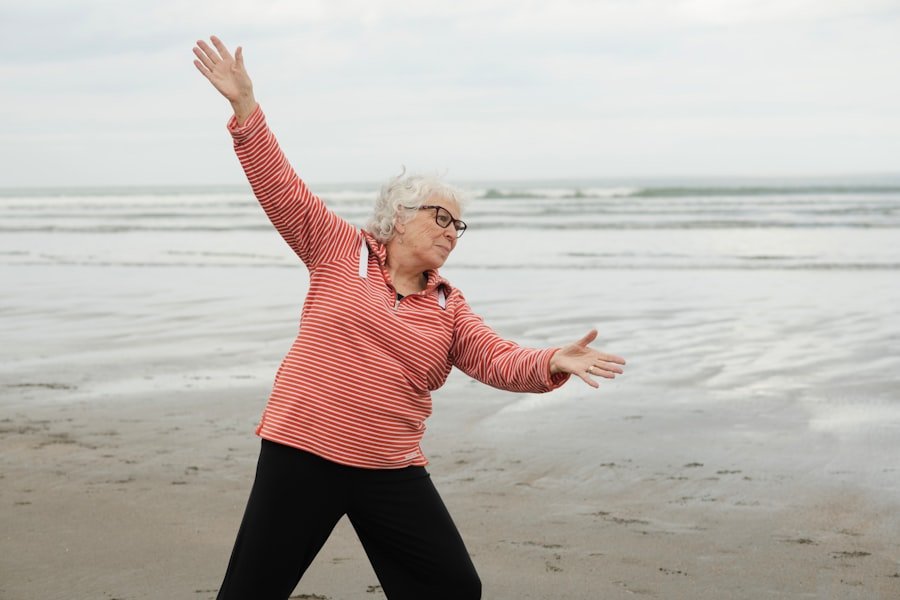
Flexibility and balance exercises are crucial components of any senior fitness routine, particularly when it comes to fall prevention. As you age, maintaining flexibility helps keep your muscles and joints functioning optimally, while balance exercises enhance stability and coordination. Simple activities like stretching can improve your range of motion and reduce stiffness, making it easier to perform daily tasks without discomfort.
Incorporating balance exercises into your routine is equally important. Activities such as tai chi or yoga not only promote flexibility but also focus on improving balance through controlled movements and postures. You might also try standing on one leg or practicing heel-to-toe walking to challenge your balance in a safe environment.
By prioritizing flexibility and balance training, you significantly reduce the risk of falls—one of the leading causes of injury among seniors—and enhance your overall confidence in movement.
Incorporating Resistance Bands and Light Weights
Resistance bands and light weights are fantastic tools for seniors looking to enhance their strength training routines without overexerting themselves. These versatile pieces of equipment allow for a wide range of exercises that can be easily adjusted to match your fitness level. Resistance bands are particularly beneficial because they provide constant tension throughout the movement, which can lead to improved muscle engagement without the need for heavy weights.
You might start by incorporating resistance bands into exercises like seated rows or leg presses. These movements can help strengthen major muscle groups while being gentle on your joints. Light weights can also be used for exercises such as shoulder presses or tricep extensions.
The beauty of using resistance bands and light weights is that they can be done at home or in a gym setting, making them accessible regardless of where you prefer to work out.
Tips for Starting and Sticking to a Senior Workout Routine
Starting a new workout routine can feel daunting, but with the right strategies in place, you can set yourself up for success. First and foremost, set realistic goals that align with your current fitness level and lifestyle. Whether it’s committing to exercise three times a week or aiming to walk a certain distance each day, having clear objectives will help keep you motivated.
Establishing a consistent schedule is also key to sticking with your routine. Choose specific days and times for your workouts and treat them as important appointments that cannot be missed. Additionally, consider finding a workout buddy or joining a class; having social support can make exercising more enjoyable and hold you accountable.
Lastly, listen to your body—if something doesn’t feel right or causes pain, don’t hesitate to modify the exercise or seek professional advice.
Seeking Professional Guidance for Safe and Effective Workouts
While embarking on a fitness journey is commendable, seeking professional guidance can significantly enhance your experience and safety. A certified personal trainer who specializes in senior fitness can provide valuable insights tailored specifically to your needs and limitations. They can help design a personalized workout plan that considers any medical conditions or physical limitations you may have.
Additionally, group classes led by qualified instructors offer another avenue for safe exercise while fostering community engagement. These classes often focus on low-impact workouts designed specifically for seniors, ensuring that participants are guided through movements that promote safety and effectiveness. By seeking professional guidance, you not only enhance the quality of your workouts but also gain confidence in your ability to exercise safely.
The Role of Nutrition in Supporting Senior Fitness
Nutrition plays an integral role in supporting your fitness journey as a senior. A balanced diet rich in essential nutrients fuels your body for physical activity and aids in recovery after workouts. Focus on incorporating plenty of fruits, vegetables, whole grains, lean proteins, and healthy fats into your meals.
Hydration is equally important; as you age, your sense of thirst may diminish, making it crucial to consciously drink enough water throughout the day—especially before and after exercising. Consider consulting with a registered dietitian who specializes in senior nutrition to create a meal plan that complements your fitness goals while addressing any dietary restrictions or preferences you may have.
Celebrating the Benefits of Regular Exercise for Healthy Aging
Embracing regular exercise as part of your lifestyle offers numerous benefits that extend far beyond physical appearance or weight management. As you engage in consistent physical activity, you’ll likely notice improvements in mood, energy levels, sleep quality, and overall well-being. Celebrating these achievements—no matter how small—can serve as powerful motivation to continue prioritizing fitness in your life.
Moreover, regular exercise fosters a sense of accomplishment and empowerment as you witness firsthand the positive changes in your body and mind over time. Whether it’s completing a challenging workout or simply enjoying increased mobility during daily activities, these milestones are worth acknowledging and celebrating. By committing to an active lifestyle, you not only enhance your own quality of life but also inspire those around you to prioritize their health as they age gracefully alongside you.
For seniors looking to maintain an active lifestyle, incorporating a well-rounded workout routine is essential for promoting overall health and well-being. A related article that delves into the importance of physical activity for seniors and how in-home caregivers can support these routines can be found on the Senior Health Tips website. This article, titled “Supporting Seniors: The Role of In-Home Caregivers,” provides valuable insights into how caregivers can assist seniors in staying active and healthy. You can read more about it by visiting this link.
FAQs
What are senior workout routines?
Senior workout routines are exercise plans specifically designed for older adults to help improve strength, flexibility, balance, and overall health. These routines are tailored to the needs and abilities of seniors to ensure safe and effective workouts.
Why are senior workout routines important?
Senior workout routines are important for maintaining and improving physical health, preventing age-related muscle and bone loss, reducing the risk of falls, and promoting overall well-being in older adults. Regular exercise can also help manage chronic conditions such as arthritis, diabetes, and heart disease.
What types of exercises are included in senior workout routines?
Senior workout routines typically include a combination of aerobic exercises, strength training, flexibility exercises, and balance exercises. Examples of exercises may include walking, swimming, light weightlifting, yoga, and tai chi.
How often should seniors engage in workout routines?
Seniors should aim to engage in workout routines at least 3-5 times per week, with a mix of different types of exercises. It’s important to consult with a healthcare professional or a certified fitness trainer to determine the appropriate frequency and intensity of workouts based on individual health and fitness levels.
What are the benefits of senior workout routines?
The benefits of senior workout routines include improved strength, flexibility, and balance, reduced risk of chronic diseases, enhanced mood and mental well-being, better sleep quality, and increased independence in daily activities. Regular exercise can also help seniors maintain a healthy weight and improve overall quality of life.
🌿 Recommended Wellness Support
If you’re looking for natural ways to support your overall vitality and energy as you age, consider exploring LionCare Wellness Products.
These supplements are designed to complement a healthy lifestyle — helping you stay active and feel your best every day.
💚 Affiliate note: We may earn a commission when you make a purchase through our link, helping us continue to share free wellness tips for seniors.
💌 Join Our Wellness Community
Want more simple, science-based health tips for active aging?
Subscribe to our newsletter here:
👉 The Restoration Newsletter on Beehiiv


