
As a live-in senior caregiver, you step into a role that is both rewarding and demanding. Your primary responsibility is to provide assistance and companionship to seniors who may require help with daily activities. This can range from personal care, such as bathing and dressing, to more complex tasks like managing medications and coordinating medical appointments.
You become an integral part of their lives, often forming deep connections that go beyond mere caregiver and client relationships. Understanding this role means recognizing the emotional and physical demands it entails, as well as the profound impact you can have on the lives of those you care for. In addition to providing physical support, your role also encompasses emotional and social aspects.
You are not just a helper; you are a companion who can alleviate feelings of loneliness and isolation that many seniors experience. Engaging in conversations, sharing stories, and participating in activities together can significantly enhance their quality of life. This dual focus on both physical and emotional care is essential for fostering a nurturing environment where seniors feel valued and understood.
As you navigate this multifaceted role, it’s crucial to remain adaptable and responsive to the unique needs of each individual you care for.
Key Takeaways
- Understanding the role of a live-in senior caregiver is crucial for providing effective care and support.
- Establishing boundaries and self-care practices is essential to prevent burnout and maintain a healthy work-life balance.
- Creating a comfortable and safe living environment is important for the well-being of the senior and the caregiver.
- Building a strong relationship with the senior is key to providing personalized and compassionate care.
- Managing daily tasks and responsibilities efficiently is necessary for a smooth and organized caregiving experience.
Establishing Boundaries and Self-Care Practices
Establishing boundaries is vital for your well-being as a live-in caregiver. While your commitment to providing care is commendable, it’s essential to recognize that you are not solely responsible for the senior’s happiness or health. Setting clear boundaries helps prevent burnout and ensures that you maintain a healthy balance between your caregiving duties and personal life.
This might involve defining specific work hours, communicating openly about your needs, and learning to say no when necessary. By doing so, you create a sustainable caregiving environment that benefits both you and the senior. Self-care practices are equally important in this demanding role.
You must prioritize your physical, emotional, and mental health to provide the best care possible. This could include regular exercise, pursuing hobbies, or simply taking time to relax and recharge. Engaging in activities that bring you joy can help mitigate stress and enhance your overall well-being.
Additionally, consider seeking support from fellow caregivers or joining support groups where you can share experiences and coping strategies. By taking care of yourself, you ensure that you are fully present and capable of meeting the needs of the senior in your care.
Creating a Comfortable and Safe Living Environment
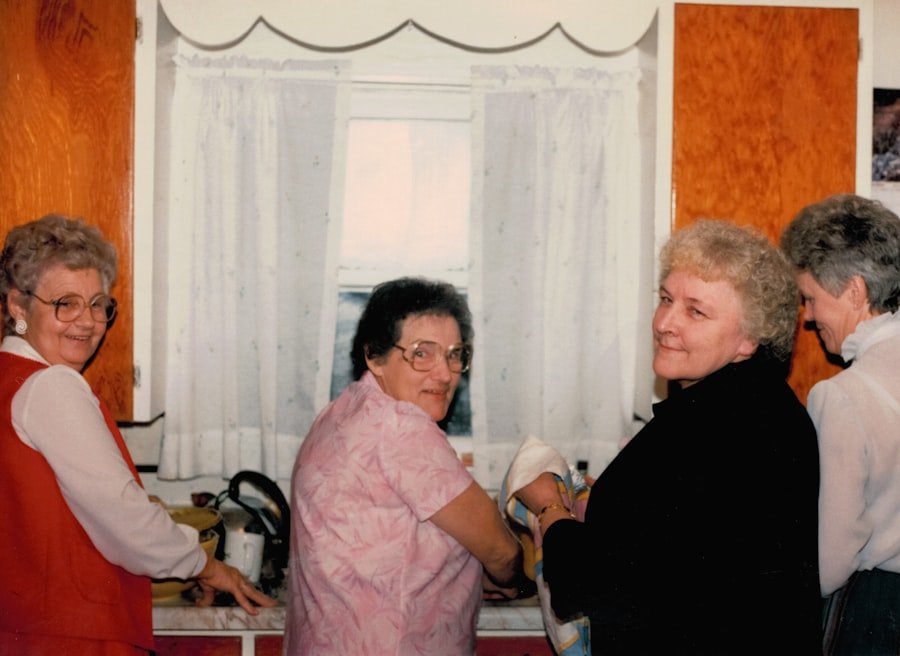
Creating a comfortable and safe living environment is paramount in your role as a live-in caregiver. The home should be a sanctuary where the senior feels secure and at ease. Start by assessing the living space for potential hazards, such as loose rugs or cluttered walkways, which could pose risks for falls.
Implementing safety measures like grab bars in the bathroom or ensuring adequate lighting can significantly enhance the senior’s safety and comfort. A well-organized space not only promotes physical safety but also contributes to a sense of stability and peace. In addition to safety considerations, personalizing the living environment can greatly improve the senior’s quality of life.
Incorporate familiar items such as family photos, favorite books, or cherished mementos that evoke positive memories. Creating a warm atmosphere with comfortable furnishings and inviting decor can make the space feel more like home. Encourage the senior to participate in decisions about their living space, allowing them to express their preferences and maintain a sense of autonomy.
By fostering an environment that reflects their personality and needs, you contribute to their overall happiness and well-being.
Building a Strong Relationship with the Senior
| Metrics | Data |
|---|---|
| Frequency of communication | Weekly check-ins |
| Level of trust | High, based on open and honest communication |
| Collaboration on projects | Regular joint decision-making and problem-solving |
| Feedback exchange | Regular feedback sessions to improve performance |
| Alignment on goals | Shared understanding of organizational and personal objectives |
Building a strong relationship with the senior in your care is one of the most rewarding aspects of being a live-in caregiver. Establishing trust is fundamental; it allows the senior to feel comfortable sharing their thoughts, feelings, and concerns with you. Take the time to get to know them on a personal level—ask about their life experiences, interests, and preferences.
This not only helps you understand their needs better but also fosters a sense of companionship that can significantly enhance their emotional well-being. Communication plays a crucial role in strengthening this relationship. Be an active listener; show genuine interest in what they have to say, and validate their feelings.
Regularly check in with them about their needs and preferences regarding care routines or daily activities.
As trust deepens, you will find that the senior becomes more comfortable relying on you for support, leading to a more fulfilling caregiving experience for both of you.
Managing Daily Tasks and Responsibilities
Managing daily tasks and responsibilities is a core component of your role as a live-in caregiver. Each day presents unique challenges that require organization and adaptability. From preparing meals to assisting with personal hygiene, your responsibilities can be extensive.
Developing a structured routine can help streamline these tasks while ensuring that the senior’s needs are met consistently. Consider creating a daily schedule that outlines key activities, allowing both you and the senior to anticipate what lies ahead. In addition to routine tasks, it’s essential to remain flexible in your approach.
Seniors may have fluctuating energy levels or changing preferences that require adjustments to your plans. Being attuned to these shifts allows you to provide care that is responsive rather than rigid. Moreover, keeping an open line of communication with healthcare providers can help you stay informed about any changes in the senior’s medical needs or treatment plans.
By effectively managing daily responsibilities while remaining adaptable, you create an environment where both you and the senior can thrive.
Connecting with Support Networks and Resources

Accessing Valuable Information and Resources
As a live-in caregiver, it’s essential to connect with support networks and resources to ensure your success. You don’t have to navigate this journey alone, as there are numerous organizations, online forums, and local groups dedicated to supporting caregivers like yourself. Engaging with these resources can provide valuable information on best practices, coping strategies, and even respite care options when you need a break.
Fostering a Sense of Community and Seeking Guidance
Building relationships with other caregivers can also foster a sense of community, allowing you to share experiences and gain insights from those who understand your challenges. Additionally, don’t hesitate to reach out to healthcare professionals for guidance on specific issues related to the senior’s care. Whether it’s consulting with doctors about medication management or seeking advice from occupational therapists on mobility aids, these connections can enhance your caregiving skills and ensure that the senior receives comprehensive support.
Empowering Yourself to Provide the Best Possible Care
By actively seeking out resources and building a network of support, you empower yourself to provide the best possible care while also taking care of your own needs.
Handling Challenging Situations and Difficult Behaviors
Handling challenging situations and difficult behaviors is an inevitable part of being a live-in caregiver. Seniors may experience mood swings or exhibit resistance to care due to various factors such as pain, frustration, or cognitive decline. It’s essential to approach these situations with empathy and patience.
Understanding the underlying reasons for their behavior can help you respond appropriately rather than reactively. For instance, if a senior becomes agitated during personal care tasks, consider whether they are feeling uncomfortable or if there are specific triggers contributing to their distress. Developing effective strategies for managing difficult behaviors is key to maintaining a positive caregiving environment.
Techniques such as redirection—shifting their focus to another activity—can be helpful in diffusing tension. Additionally, employing calming techniques like deep breathing exercises or engaging them in soothing music can create a more relaxed atmosphere. Remember that consistency is vital; establishing routines can provide seniors with a sense of security that may alleviate some behavioral challenges over time.
Encouraging Independence and Empowerment for the Senior
Encouraging independence and empowerment for the senior in your care is essential for fostering their dignity and self-worth. While they may require assistance with certain tasks, it’s important to promote their ability to do things on their own whenever possible. This could involve allowing them to participate in meal preparation or encouraging them to engage in hobbies they enjoy without excessive intervention from you.
By providing opportunities for independence, you help them maintain a sense of control over their lives. Empowerment also involves respecting their choices and preferences regarding care routines or daily activities. Engage them in discussions about what they would like to do each day or how they prefer certain tasks to be handled.
This collaborative approach not only enhances their autonomy but also strengthens your relationship by demonstrating that you value their input. By fostering an environment where seniors feel empowered, you contribute significantly to their overall happiness and mental well-being.
Nurturing Emotional and Mental Well-being
Nurturing emotional and mental well-being is an integral part of your role as a live-in caregiver. Many seniors face feelings of loneliness or depression due to isolation or health challenges; therefore, it’s crucial to create an emotionally supportive environment. Regularly check in on how they are feeling—both physically and emotionally—and encourage open conversations about their thoughts or concerns.
Providing reassurance and validation can go a long way in helping them feel understood and valued. Incorporating activities that promote mental stimulation is also beneficial for emotional well-being. Engage them in puzzles, games, or discussions about current events or shared interests that spark joy and curiosity.
Encouraging social interactions—whether through visits from family members or participation in community events—can further combat feelings of isolation. By prioritizing emotional health alongside physical care, you create a holistic approach that enhances the overall quality of life for the senior.
Balancing Personal Life and Work as a Live-In Caregiver
Balancing personal life and work as a live-in caregiver can be challenging but is essential for maintaining your well-being. The demands of caregiving often blur the lines between professional responsibilities and personal time, making it crucial to establish boundaries that protect both aspects of your life. Consider setting specific hours for work-related tasks while designating time for yourself each day—whether it’s engaging in hobbies, spending time with friends, or simply relaxing alone.
It’s also important to communicate openly with the senior about your need for personal time. This transparency fosters understanding and respect for each other’s space while reinforcing your commitment to providing quality care during designated hours. Additionally, exploring respite care options can offer valuable breaks when needed; this allows you time away from caregiving duties without compromising the senior’s well-being.
Finding Fulfillment and Joy in the Role of a Live-In Senior Caregiver
Finding fulfillment and joy in your role as a live-in senior caregiver is vital for sustaining motivation in this demanding profession. Reflect on the positive impact you have on the lives of those you care for; witnessing their smiles or hearing their laughter can be incredibly rewarding moments that remind you why you chose this path. Celebrate small victories—whether it’s helping them achieve a personal goal or simply sharing meaningful conversations—these moments contribute significantly to your sense of purpose.
Moreover, seek out opportunities for personal growth within this role; consider pursuing additional training or certifications related to caregiving or gerontology. Expanding your knowledge not only enhances your skills but also deepens your understanding of the aging process and its complexities. By embracing both the challenges and joys of caregiving, you cultivate resilience while finding fulfillment in making a difference in someone else’s life—a truly enriching experience that defines your journey as a live-in caregiver.
For those considering a career as a live-in senior caregiver, understanding the integration of technology in caregiving can be incredibly beneficial. Smart home devices, for instance, are becoming increasingly popular in assisting with the daily needs of seniors, providing both safety and convenience.
To learn more about how these smart home devices work and how they can be utilized in caregiving, you can read this insightful article: How Do Smart Home Devices Work?. This resource provides valuable information on the functionality and benefits of smart home technology in senior care.
FAQs
What is a live-in senior caregiver?
A live-in senior caregiver is a professional who provides round-the-clock care and assistance to elderly individuals in their own homes. They may help with activities of daily living, medication management, meal preparation, and companionship.
What are the responsibilities of a live-in senior caregiver?
The responsibilities of a live-in senior caregiver may include assisting with personal care, such as bathing and dressing, providing medication reminders, preparing meals, light housekeeping, running errands, and providing companionship and emotional support.
What qualifications should a live-in senior caregiver have?
Qualifications for a live-in senior caregiver may vary, but typically include a high school diploma or equivalent, certification in CPR and first aid, and experience in caregiving. Some employers may also require a background check and references.
How much does a live-in senior caregiver cost?
The cost of a live-in senior caregiver can vary depending on factors such as location, level of care needed, and the caregiver’s experience and qualifications. It is important to discuss rates and payment options with the caregiver or their agency before hiring.
What are the benefits of hiring a live-in senior caregiver?
Hiring a live-in senior caregiver allows elderly individuals to receive personalized care and support in the comfort of their own homes. It can also provide peace of mind for family members knowing that their loved one is being well cared for.
What should I consider when hiring a live-in senior caregiver?
When hiring a live-in senior caregiver, it is important to consider the caregiver’s experience, qualifications, and personality fit with the elderly individual. It is also important to discuss expectations, schedules, and any specific care needs before making a decision.
🌿 Recommended Wellness Support
If you’re looking for natural ways to support your overall vitality and energy as you age, consider exploring LionCare Wellness Products.
These supplements are designed to complement a healthy lifestyle — helping you stay active and feel your best every day.
💚 Affiliate note: We may earn a commission when you make a purchase through our link, helping us continue to share free wellness tips for seniors.
💌 Join Our Wellness Community
Want more simple, science-based health tips for active aging?
Subscribe to our newsletter here:
👉 The Restoration Newsletter on Beehiiv


