As you age, the importance of nutrition becomes increasingly evident. Your body undergoes various changes that can affect how you process food and absorb nutrients. This makes it essential to pay close attention to your dietary choices.
A well-balanced diet can help you manage chronic conditions, maintain a healthy weight, and even improve your mood. By understanding the significance of senior nutrition, you can take proactive steps to ensure that you are meeting your dietary needs.
Moreover, nutrition is not just about eating the right foods; it’s also about understanding how those foods impact your overall health. As you age, your metabolism slows down, and your body may require fewer calories but more nutrients. This means that focusing on nutrient-dense foods becomes vital.
By prioritizing foods rich in vitamins, minerals, and other essential nutrients, you can support your immune system, enhance cognitive function, and promote overall well-being. Recognizing the importance of nutrition in your life can empower you to make informed choices that benefit your health in the long run.
Key Takeaways
- Proper nutrition is crucial for senior health and wellbeing
- Nutrient-dense foods play a key role in promoting health and wellness for seniors
- Participating in a senior nutrition program offers numerous benefits for older adults
- Senior nutrition programs address dietary needs and restrictions to support healthy aging
- These programs promote socialization and community engagement for seniors
The Role of Nutrient-Dense Foods in Promoting Health and Wellness
Nutrient-dense foods are those that provide a high amount of nutrients relative to their calorie content. As you navigate the complexities of aging, incorporating these foods into your diet can significantly impact your health and wellness. Foods such as leafy greens, whole grains, lean proteins, and healthy fats are excellent choices that can help you meet your nutritional needs without excessive calorie intake.
By focusing on these nutrient-rich options, you can ensure that your body receives the essential vitamins and minerals it requires to function optimally. In addition to physical health benefits, nutrient-dense foods can also enhance your mental well-being. Research has shown that certain nutrients play a vital role in brain health, potentially reducing the risk of cognitive decline.
For instance, omega-3 fatty acids found in fish and walnuts are known to support brain function and may even improve mood. By prioritizing nutrient-dense foods in your diet, you not only nourish your body but also support your mental health, creating a holistic approach to wellness as you age.
Benefits of Participating in a Senior Nutrition Program

Participating in a senior nutrition program can offer numerous benefits that extend beyond just meal planning. These programs are designed to cater specifically to the dietary needs of older adults, ensuring that you receive balanced meals that promote health and vitality. One of the primary advantages is the access to professionally prepared meals that are tailored to meet nutritional guidelines for seniors.
This can alleviate the stress of meal preparation and help you maintain a healthy diet without the hassle of cooking. Additionally, senior nutrition programs often provide educational resources that empower you to make informed dietary choices. Workshops and classes may cover topics such as meal planning, understanding food labels, and managing dietary restrictions.
By participating in these programs, you gain valuable knowledge that can enhance your overall understanding of nutrition and its impact on your health. This education not only helps you make better food choices but also fosters a sense of independence as you learn to navigate your dietary needs effectively.
How Senior Nutrition Programs Address Dietary Needs and Restrictions
| Program | Dietary Needs Addressed | Restrictions Addressed |
|---|---|---|
| Home-Delivered Meals | Provides balanced meals for specific health conditions such as diabetes or heart disease | Accommodates dietary restrictions such as low-sodium, low-fat, or gluten-free |
| Senior Dining Centers | Offers nutritious meals tailored to meet the needs of older adults, including protein-rich options | Adapts menus to accommodate allergies, intolerances, or religious dietary restrictions |
| Nutrition Education Programs | Teaches seniors about the importance of nutrient-dense foods and how to meet their dietary needs | Provides guidance on managing dietary restrictions and making healthy food choices |
One of the most significant advantages of senior nutrition programs is their ability to address specific dietary needs and restrictions. As you age, you may encounter various health conditions that require modifications to your diet. Whether it’s diabetes, hypertension, or food allergies, these programs are equipped to provide meals that accommodate your unique requirements.
This tailored approach ensures that you receive the necessary nutrients while adhering to any dietary restrictions you may have. Moreover, many senior nutrition programs work closely with registered dietitians who can assess your individual needs and create personalized meal plans. This professional guidance is invaluable in helping you navigate complex dietary requirements while still enjoying delicious meals.
By participating in these programs, you can rest assured that your nutritional needs are being met in a way that supports your overall health and well-being.
Promoting Socialization and Community Engagement through Senior Nutrition Programs
Beyond the nutritional benefits, senior nutrition programs play a vital role in promoting socialization and community engagement among older adults. Many of these programs offer communal dining experiences where you can share meals with peers, fostering connections and friendships. Social interaction is essential for mental health and emotional well-being, especially as isolation can become a concern for many seniors.
By participating in group meals or activities, you not only enjoy nutritious food but also build a sense of community. Additionally, many senior nutrition programs organize events and activities that encourage social engagement beyond mealtime. These may include cooking classes, nutrition workshops, or even group outings to local markets or farms.
Such activities provide opportunities for you to learn new skills while connecting with others who share similar interests. The social aspect of these programs enhances the overall experience, making healthy eating a more enjoyable and fulfilling endeavor.
The Impact of Proper Nutrition on Senior Health and Wellbeing
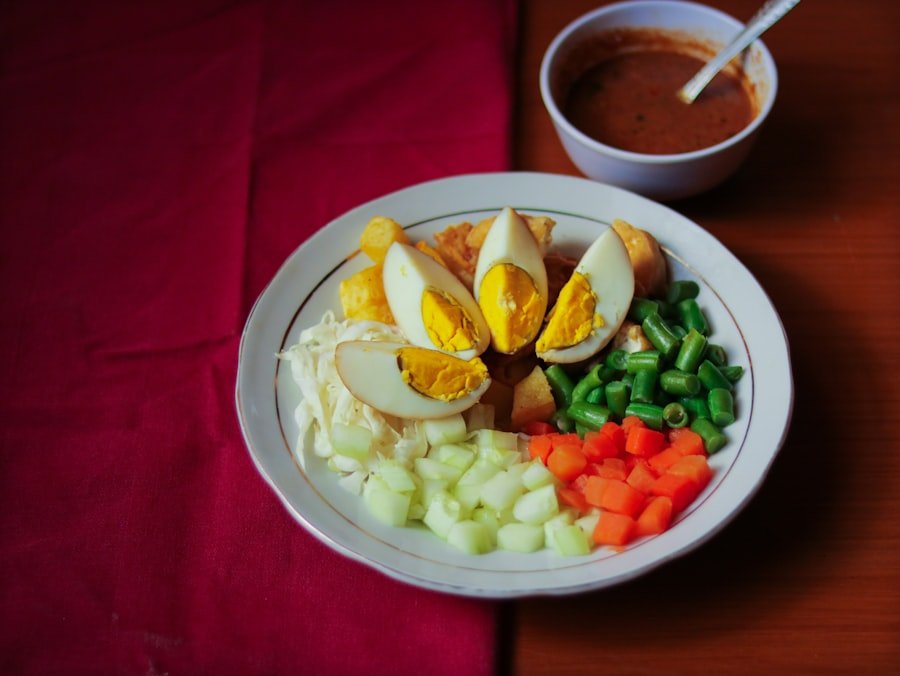
Proper nutrition has a profound impact on your overall health and well-being as you age. A balanced diet rich in essential nutrients can help prevent chronic diseases such as heart disease, diabetes, and osteoporosis. By making conscious dietary choices, you can significantly reduce the risk of developing these conditions and improve your quality of life.
Furthermore, good nutrition supports healthy aging by promoting energy levels, enhancing mobility, and improving cognitive function. In addition to physical health benefits, proper nutrition also plays a crucial role in emotional well-being. A well-nourished body is better equipped to handle stress and anxiety, leading to improved mental health outcomes.
Nutrient-rich foods can positively influence mood by supporting neurotransmitter function and reducing inflammation in the brain. By prioritizing proper nutrition, you not only invest in your physical health but also nurture your emotional resilience as you navigate the challenges of aging.
How Senior Nutrition Programs Support Independence and Aging in Place
Senior nutrition programs are instrumental in supporting independence and enabling older adults to age in place comfortably. By providing access to nutritious meals tailored to individual needs, these programs empower you to maintain a healthy lifestyle without relying heavily on family members or caregivers for assistance. This sense of autonomy is crucial for preserving dignity and self-esteem as you age.
Moreover, many senior nutrition programs offer home delivery services for those who may have mobility challenges or difficulty accessing communal dining locations. This convenience allows you to enjoy healthy meals in the comfort of your own home while still receiving the nutritional support necessary for optimal health. By facilitating independence through accessible meal options, these programs contribute significantly to enhancing your quality of life as you age.
Addressing Common Nutritional Challenges Faced by Seniors
As you age, various nutritional challenges may arise that can complicate healthy eating habits. For instance, changes in taste perception or difficulty chewing can make certain foods less appealing or harder to consume. Additionally, some seniors may experience decreased appetite or forgetfulness when it comes to meal times.
Senior nutrition programs are designed to address these challenges by offering appealing meal options that cater to diverse tastes and preferences. Furthermore, many programs provide education on how to adapt recipes or modify textures to accommodate specific needs. For example, if chewing is an issue, softer foods or pureed options may be available without sacrificing flavor or nutritional value.
By addressing these common challenges head-on, senior nutrition programs ensure that you have access to meals that are not only nutritious but also enjoyable.
The Role of Physical Activity in Senior Nutrition and Wellness
Physical activity is an essential component of overall wellness for seniors, complementing proper nutrition in promoting health and vitality. Engaging in regular exercise helps maintain muscle mass, improve balance, and enhance cardiovascular health—all crucial factors for aging gracefully. When combined with a nutrient-dense diet, physical activity can significantly improve your quality of life by boosting energy levels and enhancing mood.
Many senior nutrition programs recognize the importance of physical activity and often incorporate exercise components into their offerings. This may include group fitness classes tailored specifically for older adults or workshops on safe exercise practices at home. By encouraging an active lifestyle alongside proper nutrition, these programs foster a holistic approach to wellness that empowers you to take charge of your health.
The Importance of Mental Health and Emotional Wellbeing in Senior Nutrition
Mental health and emotional well-being are integral aspects of senior nutrition that should not be overlooked. As you age, feelings of loneliness or depression may arise due to various life changes such as retirement or loss of loved ones. Nutrition plays a vital role in supporting mental health by providing the necessary nutrients for optimal brain function and emotional regulation.
Participating in senior nutrition programs can also contribute positively to mental well-being by fostering social connections and providing a sense of purpose through shared meals and activities. Engaging with others over food can create meaningful interactions that combat feelings of isolation and promote emotional resilience. By prioritizing both nutrition and mental health, you can cultivate a more balanced approach to aging that enhances overall well-being.
How to Access and Participate in a Senior Nutrition Program
Accessing a senior nutrition program is often easier than you might think. Many communities offer various options through local agencies, non-profits, or senior centers dedicated to supporting older adults’ nutritional needs. To get started, consider reaching out to local organizations or conducting an online search for senior nutrition programs available in your area.
Once you’ve identified potential programs, inquire about their offerings—such as meal delivery services, communal dining options, or educational workshops—and determine which best aligns with your needs and preferences. Many programs also provide information on eligibility requirements or any associated costs. By taking this proactive step toward participating in a senior nutrition program, you’re investing in your health and well-being while enjoying the benefits of community support and connection.
In conclusion, understanding the importance of senior nutrition is crucial for maintaining health and wellness as you age. By prioritizing nutrient-dense foods, participating in specialized programs, addressing dietary needs, promoting socialization, supporting independence, overcoming challenges, incorporating physical activity, nurturing mental health, and accessing available resources, you can significantly enhance your quality of life during this stage of life. Embrace the journey toward better nutrition—your body and mind will thank you for it!
Ensuring that seniors receive proper nutrition is a crucial aspect of maintaining their overall health and well-being. Many senior nutrition programs focus on providing balanced meals and educating older adults about healthy eating habits. These programs often work in conjunction with home health care services to ensure that seniors can maintain a nutritious diet even if they have mobility or health challenges. For more information on how home health care services can empower seniors to live healthier lives, you can read this related article: Empowering Seniors with Quality Home Health Care Services. This article explores the various ways in which home health care can support seniors in maintaining their independence and health.
FAQs
What is a senior nutrition program?
A senior nutrition program is a government-funded initiative that provides nutritious meals to older adults, typically aged 60 and above, who may be at risk of malnutrition or food insecurity.
What are the goals of a senior nutrition program?
The goals of a senior nutrition program are to improve the health and well-being of older adults by ensuring they have access to healthy and balanced meals, reducing the risk of malnutrition, and promoting social interaction and community engagement.
What types of services are offered in a senior nutrition program?
Senior nutrition programs may offer congregate meals served at community centers, home-delivered meals for those who are homebound, nutrition education, and social activities to promote overall well-being.
Who is eligible for a senior nutrition program?
Eligibility for a senior nutrition program varies by location and program, but generally, individuals aged 60 and above are eligible. Income and mobility may also be factors in determining eligibility.
How are senior nutrition programs funded?
Senior nutrition programs are primarily funded through the Older Americans Act (OAA) and administered by the Administration for Community Living (ACL) in the United States. Additionally, some programs may receive funding from state and local governments, as well as private donations and grants.
What are the benefits of participating in a senior nutrition program?
Participating in a senior nutrition program can provide older adults with access to nutritious meals, social interaction, and support services, which can contribute to improved health, reduced isolation, and overall well-being.
🌿 Recommended Wellness Support
If you’re looking for natural ways to support your overall vitality and energy as you age, consider exploring LionCare Wellness Products.
These supplements are designed to complement a healthy lifestyle — helping you stay active and feel your best every day.
💚 Affiliate note: We may earn a commission when you make a purchase through our link, helping us continue to share free wellness tips for seniors.
💌 Join Our Wellness Community
Want more simple, science-based health tips for active aging?
Subscribe to our newsletter here:
👉 The Restoration Newsletter on Beehiiv


