As you navigate the complexities of caring for an aging loved one, the significance of quality home health care becomes increasingly apparent. Home health care is not merely a service; it is a lifeline that allows seniors to maintain their dignity and independence while receiving the medical attention they require. With the right support, your loved one can remain in the comfort of their own home, surrounded by familiar faces and cherished memories.
This environment can significantly enhance their emotional well-being, making it easier for them to cope with the challenges that come with aging. Moreover, quality home health care is essential for managing chronic conditions and preventing hospitalizations. Many seniors face multiple health issues that require ongoing monitoring and treatment.
By having skilled professionals provide care at home, you can ensure that your loved one receives timely interventions, medication management, and regular health assessments. This proactive approach not only improves their physical health but also alleviates your worries, knowing that they are in capable hands.
Key Takeaways
- Quality home health care is crucial for seniors’ overall well-being and health management.
- Finding the right home health care provider involves thorough research and consideration of individual needs.
- Home health care services can significantly enhance seniors’ quality of life by providing personalized care and support.
- Home health care plays a vital role in promoting independence for seniors, allowing them to age in place with dignity.
- Understanding the different types of home health care services available is essential for meeting seniors’ diverse needs and preferences.
Finding the Right Home Health Care Provider for Your Loved One
When it comes to selecting a home health care provider, the process can feel overwhelming. You want to ensure that your loved one receives the best possible care tailored to their unique needs. Start by conducting thorough research on local agencies and independent caregivers.
Look for providers with positive reviews, proper licensing, and accreditation from recognized organizations. It’s essential to ask for recommendations from friends, family, or healthcare professionals who have experience in this area. Once you have a shortlist of potential providers, arrange interviews to discuss their services and approach to care.
During these conversations, pay attention to how they communicate and whether they seem genuinely interested in your loved one’s well-being. It’s also crucial to inquire about their training and experience in dealing with specific health conditions that your loved one may have. By taking the time to find the right fit, you can ensure that your loved one receives compassionate and competent care.
How Home Health Care Services Can Improve Seniors’ Quality of Life
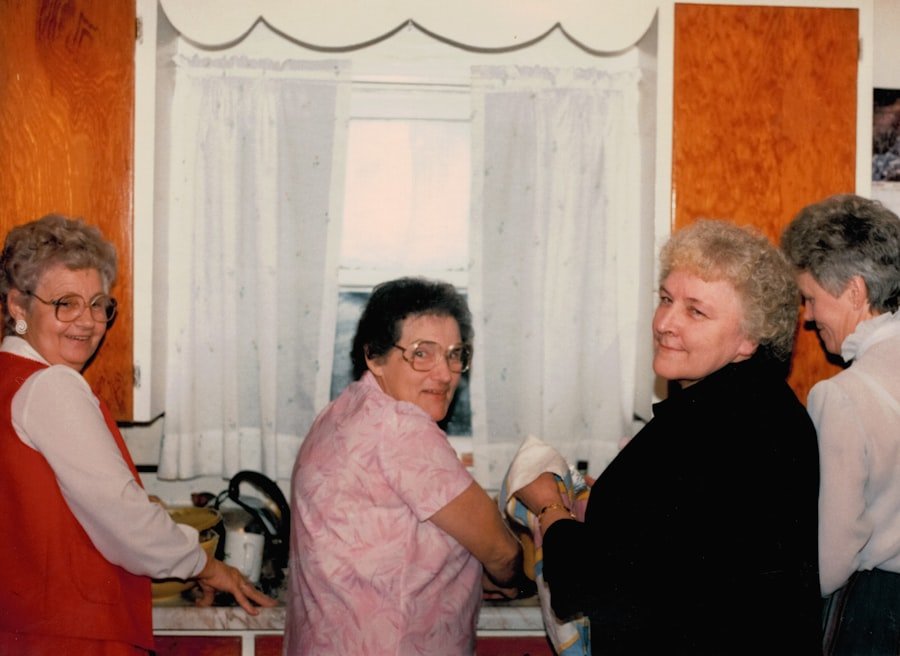
Home health care services can significantly enhance the quality of life for seniors by addressing both their physical and emotional needs. When seniors receive personalized care in their own homes, they often experience a greater sense of autonomy and comfort. This familiarity can lead to reduced anxiety and depression, allowing them to engage more fully in daily activities.
Whether it’s assistance with personal hygiene, meal preparation, or companionship, these services can help seniors maintain a sense of normalcy in their lives. Additionally, home health care can facilitate social interactions that are vital for mental health. Caregivers often become trusted companions who provide not only physical assistance but also emotional support.
This relationship can combat feelings of loneliness and isolation that many seniors face. By fostering connections through regular visits and engaging conversations, home health care services can play a pivotal role in enhancing your loved one’s overall happiness and well-being.
The Role of Home Health Care in Promoting Independence for Seniors
| Metrics | Data |
|---|---|
| Number of seniors receiving home health care | 2.9 million |
| Percentage of seniors who prefer to age in place | 87% |
| Reduction in hospital readmission rates with home health care | 25% |
| Improvement in activities of daily living with home health care | 40% |
| Cost savings compared to institutional care | up to 50% |
One of the most significant advantages of home health care is its ability to promote independence among seniors. As you consider the options available for your loved one, it’s essential to recognize that maintaining independence is often a top priority for many older adults. Home health care allows them to live in their own space while receiving the necessary support to manage daily tasks.
This balance between assistance and autonomy can empower seniors to take charge of their lives. Moreover, caregivers are trained to encourage seniors to participate actively in their care plans. This might involve setting personal goals or engaging in physical activities tailored to their abilities.
By fostering a sense of agency, home health care providers help seniors feel more in control of their lives, which can lead to improved self-esteem and motivation. Ultimately, this empowerment contributes to a higher quality of life as seniors navigate the challenges of aging.
Understanding the Different Types of Home Health Care Services Available
Home health care encompasses a wide range of services designed to meet the diverse needs of seniors. Understanding these options is crucial as you seek the best fit for your loved one. Skilled nursing care is one of the most common types of home health services, providing medical assistance such as wound care, medication management, and monitoring vital signs.
This level of care is typically provided by registered nurses or licensed practical nurses. In addition to skilled nursing, there are also personal care services that focus on assisting with daily living activities such as bathing, dressing, and meal preparation. These services are often provided by certified nursing assistants or home health aides who are trained to support seniors in maintaining their independence while ensuring their safety and comfort.
By familiarizing yourself with these various types of services, you can make informed decisions about what will best meet your loved one’s needs.
The Benefits of Personalized Care Plans for Seniors

Personalized care plans are a cornerstone of effective home health care services. When you work with a provider, they will typically conduct a comprehensive assessment of your loved one’s health status, preferences, and goals. This information is then used to create a tailored care plan that addresses their specific needs.
The benefits of such individualized attention cannot be overstated; it ensures that your loved one receives care that is not only appropriate but also respectful of their wishes. A personalized care plan also allows for flexibility as your loved one’s needs change over time.
This adaptability is particularly important in managing chronic conditions or recovering from illness or surgery. By prioritizing personalized care, you can help ensure that your loved one feels valued and understood throughout their health journey.
Ensuring Safety and Security for Seniors Receiving Home Health Care
Safety is paramount when it comes to home health care for seniors. As you consider options for your loved one, it’s essential to ensure that the provider has robust safety protocols in place. This includes background checks for caregivers, ongoing training in safety practices, and adherence to infection control measures.
A reputable agency will prioritize the well-being of its clients by implementing these safeguards. In addition to provider protocols, you can take steps at home to enhance safety for your loved one. This might involve making modifications such as installing grab bars in bathrooms, ensuring adequate lighting throughout the house, or removing tripping hazards like loose rugs.
By working collaboratively with caregivers and making necessary adjustments at home, you can create an environment where your loved one feels secure and supported.
The Importance of Communication and Collaboration in Home Health Care
Effective communication is vital in any caregiving relationship, especially when it comes to home health care for seniors. As you engage with caregivers, it’s essential to establish open lines of communication regarding your loved one’s needs and preferences. Regular check-ins can help ensure that everyone involved is on the same page regarding care plans and any changes in health status.
Collaboration between family members, caregivers, and healthcare professionals is equally important. By working together as a team, you can create a comprehensive support system that addresses all aspects of your loved one’s well-being. This collaborative approach not only enhances the quality of care but also fosters a sense of community among those involved in your loved one’s life.
Empowering Seniors to Take Control of Their Health and Well-being
Empowerment is a key component of effective home health care for seniors. As you support your loved one through this journey, encourage them to take an active role in managing their health and well-being. This might involve setting personal goals related to nutrition, exercise, or social engagement.
By fostering a sense of ownership over their health decisions, you can help them feel more confident and capable. Additionally, caregivers play a crucial role in this empowerment process by providing education and resources that enable seniors to make informed choices about their health. Whether it’s discussing medication management or exploring new hobbies that promote physical activity, caregivers can serve as valuable partners in helping seniors take charge of their lives.
Addressing the Emotional and Mental Health Needs of Seniors through Home Health Care
The emotional and mental health needs of seniors are often overlooked in discussions about home health care; however, they are just as critical as physical health considerations. Many older adults experience feelings of loneliness or depression due to isolation or loss of independence. Home health care providers can play an essential role in addressing these issues by offering companionship and emotional support.
Caregivers trained in mental health awareness can recognize signs of distress and provide appropriate interventions or referrals when necessary. Activities such as engaging conversations, recreational outings, or even simple companionship during daily tasks can significantly improve a senior’s emotional well-being. By prioritizing mental health alongside physical care, you can help ensure that your loved one enjoys a holistic approach to their overall well-being.
The Future of Home Health Care for Seniors: Innovations and Trends
As technology continues to advance, the future of home health care for seniors looks promising with numerous innovations on the horizon. Telehealth services are becoming increasingly popular, allowing seniors to connect with healthcare providers remotely for consultations and follow-ups without leaving their homes. This convenience not only saves time but also enhances access to medical expertise.
Additionally, smart home technology is revolutionizing how seniors receive care at home. Devices such as fall detection systems, medication reminders, and remote monitoring tools are making it easier for caregivers to provide support while ensuring safety. As these trends continue to evolve, they hold the potential to transform home health care into an even more effective and responsive service for seniors.
In conclusion, quality home health care plays an indispensable role in enhancing the lives of seniors by promoting independence, ensuring safety, and addressing both physical and emotional needs. By taking the time to find the right provider and fostering open communication among all parties involved, you can create a supportive environment that empowers your loved one to thrive during their golden years.
Senior home health care services are becoming increasingly important as the aging population grows and the demand for in-home care rises.
These devices can monitor health metrics, detect falls, and even remind seniors to take their medications, thereby providing peace of mind to both the seniors and their families. For more information on how these smart home devices work and their benefits in senior care, you can read a related article by visiting this link.
FAQs
What are senior home health care services?
Senior home health care services are medical and non-medical services provided to seniors in their own homes. These services can include assistance with activities of daily living, medication management, physical therapy, and nursing care.
What types of services are offered in senior home health care?
Senior home health care services can include assistance with personal care, meal preparation, medication management, transportation, companionship, physical therapy, and nursing care. These services are tailored to meet the individual needs of each senior.
Who provides senior home health care services?
Senior home health care services are provided by trained and licensed professionals, including home health aides, nurses, physical therapists, occupational therapists, and social workers. These professionals work together to provide comprehensive care for seniors in their own homes.
What are the benefits of senior home health care services?
The benefits of senior home health care services include the ability for seniors to remain in their own homes while receiving the care they need, personalized care plans tailored to their specific needs, and the ability for family members to be involved in their care.
How can I find senior home health care services for a loved one?
You can find senior home health care services by contacting local home health care agencies, asking for recommendations from healthcare professionals, and researching online. It’s important to thoroughly research and interview potential providers to ensure they meet the specific needs of your loved one.
🌿 Recommended Wellness Support
If you’re looking for natural ways to support your overall vitality and energy as you age, consider exploring LionCare Wellness Products.
These supplements are designed to complement a healthy lifestyle — helping you stay active and feel your best every day.
💚 Affiliate note: We may earn a commission when you make a purchase through our link, helping us continue to share free wellness tips for seniors.
💌 Join Our Wellness Community
Want more simple, science-based health tips for active aging?
Subscribe to our newsletter here:
👉 The Restoration Newsletter on Beehiiv


