As you age, maintaining an active lifestyle becomes increasingly vital for your overall health and well-being. Low impact workouts are particularly important for seniors, as they provide a safe and effective way to stay fit without putting undue stress on your joints. These workouts allow you to engage in physical activity while minimizing the risk of injury, which is crucial as your body becomes more susceptible to strains and sprains.
By incorporating low impact exercises into your routine, you can enhance your mobility, improve your cardiovascular health, and maintain a healthy weight. Moreover, low impact workouts can significantly contribute to your mental health.
By participating in low impact exercises, you not only improve your physical fitness but also foster social connections if you choose to join group classes or community activities. This holistic approach to health is essential for maintaining a high quality of life as you age.
Key Takeaways
- Low impact workouts are important for seniors to maintain fitness and mobility while reducing the risk of injury.
- Benefits of low impact workouts for seniors include improved cardiovascular health, increased flexibility, and reduced joint pain.
- Types of low impact workouts for seniors include walking, swimming, yoga, strength training, and cycling.
- Walking and hiking are excellent low impact cardio options for seniors, providing a gentle way to stay active and enjoy the outdoors.
- Swimming and water aerobics offer gentle workouts for seniors, providing a full-body workout with minimal impact on the joints.
Benefits of Low Impact Workouts for Seniors
The benefits of low impact workouts extend far beyond just physical fitness. One of the most significant advantages is the improvement in joint health. As you age, your joints may become stiffer and more prone to pain.
Low impact exercises, such as swimming or cycling, allow you to strengthen your muscles and improve flexibility without placing excessive strain on your joints. This can lead to a reduction in chronic pain and an overall increase in mobility, allowing you to perform daily activities with greater ease. Additionally, low impact workouts can help you manage chronic conditions such as arthritis, heart disease, and diabetes.
Regular exercise can improve circulation, lower blood pressure, and enhance insulin sensitivity, all of which are crucial for managing these conditions effectively. Furthermore, engaging in low impact activities can boost your immune system, helping you fend off illnesses and recover more quickly when you do get sick. The cumulative effect of these benefits can lead to a longer, healthier life filled with vitality and energy.
Types of Low Impact Workouts for Seniors
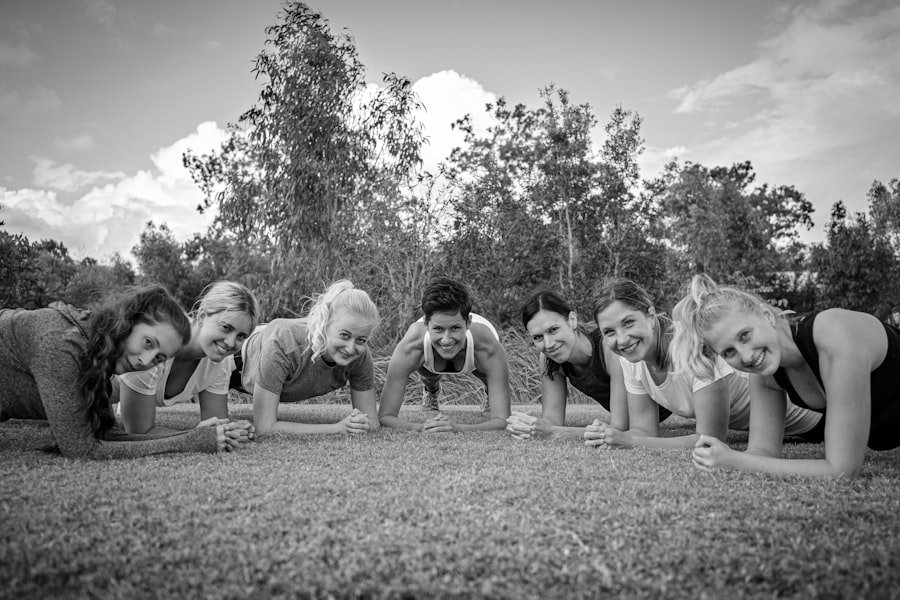
When it comes to low impact workouts, there is a wide variety of options available that cater to different interests and fitness levels. You might find that some activities resonate more with you than others, so it’s essential to explore various types to discover what you enjoy most. Common low impact workouts include walking, swimming, cycling, yoga, and strength training.
Each of these activities offers unique benefits and can be easily modified to suit your individual needs. For instance, walking is one of the simplest forms of exercise that requires no special equipment and can be done almost anywhere. Swimming provides a full-body workout while being gentle on the joints due to the buoyancy of water.
Yoga and tai chi focus on flexibility and balance, which are crucial for preventing falls as you age. Strength training can be adapted with lighter weights or resistance bands to build muscle safely. By diversifying your workout routine with these various types of low impact exercises, you can keep your fitness journey engaging and enjoyable.
Walking and Hiking: Low Impact Cardio Options for Seniors
| Activity | Calories Burned (per hour) | Benefits |
|---|---|---|
| Walking at a moderate pace | 240-300 | Improves cardiovascular health, strengthens bones and muscles, boosts mood |
| Hiking on flat terrain | 250-300 | Enhances balance and coordination, reduces risk of chronic diseases, promotes mental well-being |
| Hiking on hilly terrain | 400-550 | Increases lower body strength, burns more calories, improves overall fitness |
Walking is often regarded as one of the best forms of low impact cardio for seniors. It’s accessible, requires no special equipment, and can be done at your own pace. Whether you choose to stroll through your neighborhood or explore local parks, walking allows you to enjoy the outdoors while reaping the cardiovascular benefits of exercise.
You might find that walking not only improves your physical health but also enhances your mood as you take in the sights and sounds of nature. Hiking is another excellent option if you’re looking for a bit more adventure. Many trails are designed for varying skill levels, so you can choose a path that suits your comfort level.
Hiking not only provides a great workout but also allows you to connect with nature and enjoy the beauty around you. As you navigate different terrains, you’ll also engage various muscle groups, enhancing your strength and balance. Remember to wear appropriate footwear and stay hydrated while enjoying this invigorating activity.
Swimming and Water Aerobics: Gentle Workouts for Seniors
Swimming is often hailed as one of the most beneficial low impact exercises available for seniors. The buoyancy of water supports your body, reducing the strain on your joints while allowing for a full range of motion. Whether you prefer leisurely laps or more structured water aerobics classes, swimming provides an excellent cardiovascular workout that can improve endurance and strength without the risk of injury.
Water aerobics classes are particularly popular among seniors because they offer a social environment while providing a comprehensive workout. These classes typically involve various movements designed to enhance strength, flexibility, and cardiovascular fitness—all while being gentle on the body. You might find that exercising in water feels refreshing and invigorating, making it easier to stay motivated and committed to your fitness goals.
Yoga and Tai Chi: Flexibility and Balance Exercises for Seniors
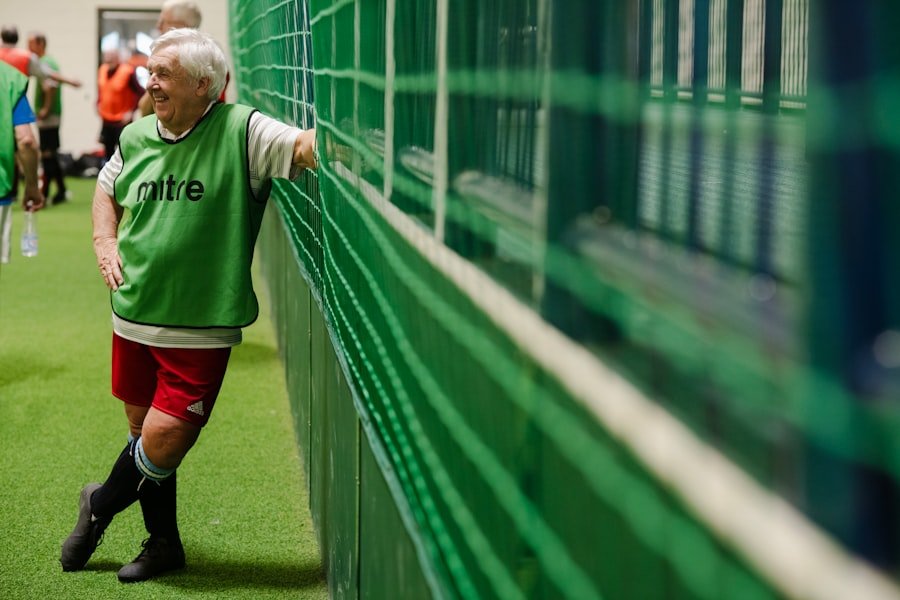
Yoga and tai chi are two forms of exercise that focus on flexibility, balance, and mindfulness—qualities that are especially important for seniors. Both practices emphasize slow, controlled movements that promote relaxation while enhancing physical strength. You may find that incorporating yoga into your routine helps alleviate stress and tension while improving your overall flexibility.
Tai chi is often referred to as “meditation in motion.” This gentle martial art involves a series of slow, flowing movements that promote balance and coordination. Practicing tai chi regularly can help reduce the risk of falls by improving stability and body awareness. Many seniors appreciate the calming nature of both yoga and tai chi, making them ideal choices for those looking to enhance their physical fitness while also nurturing their mental well-being.
Strength Training: Building Muscle Safely for Seniors
Strength training is an essential component of any fitness routine for seniors, as it helps combat age-related muscle loss known as sarcopenia. Engaging in regular strength training can improve bone density, enhance metabolism, and increase overall functional strength—allowing you to perform daily tasks with greater ease. You might be surprised to learn that strength training doesn’t have to involve heavy weights; resistance bands or light dumbbells can be just as effective.
When starting a strength training program, it’s crucial to focus on proper form and technique to prevent injury. Consider working with a certified trainer who specializes in senior fitness or joining a class designed specifically for older adults. This way, you can learn how to perform exercises safely while building confidence in your abilities.
As you progress, you’ll likely notice improvements in your strength and endurance, empowering you to take on new challenges.
Pilates: Core Strengthening for Seniors
Pilates is another excellent option for seniors looking to enhance their core strength and overall stability. This low impact workout focuses on controlled movements that engage the core muscles while promoting flexibility and balance. You may find that practicing Pilates helps improve your posture and alignment, which can alleviate discomfort associated with poor posture over time.
One of the great things about Pilates is its adaptability; exercises can be modified based on your fitness level or any physical limitations you may have. Many studios offer classes specifically designed for seniors or those new to Pilates, ensuring that you receive guidance tailored to your needs.
Cycling and Stationary Biking: Low Impact Cardio for Seniors
Cycling is an enjoyable way to engage in low impact cardio that can be done outdoors or indoors on a stationary bike. Riding a bike allows you to work on cardiovascular fitness while being gentle on your joints—making it an ideal choice for seniors looking to stay active without risking injury. You might find cycling particularly appealing because it offers the opportunity to explore new areas or enjoy scenic routes at your own pace.
If outdoor cycling isn’t feasible due to weather conditions or safety concerns, stationary biking is an excellent alternative. Many gyms offer stationary bikes equipped with adjustable resistance levels so that you can tailor your workout intensity according to your fitness level. Additionally, many stationary bikes come with built-in programs that guide you through various workouts—keeping things fresh and engaging as you pedal away toward better health.
Stretching and Flexibility Exercises for Seniors
Incorporating stretching into your routine is essential for maintaining flexibility as you age. Regular stretching helps improve range of motion in your joints while reducing muscle tension—both crucial factors in preventing injuries during other forms of exercise. You may find that dedicating time each day to stretching not only enhances your physical performance but also promotes relaxation and stress relief.
Consider incorporating dynamic stretches before workouts to warm up your muscles and static stretches afterward to cool down. Focus on major muscle groups such as the hamstrings, quadriceps, shoulders, and back—areas that often become tight with age or inactivity. You might also explore gentle stretching classes specifically designed for seniors; these classes often emphasize safe techniques while fostering a supportive community atmosphere.
Tips for Getting Started with Low Impact Workouts as a Senior
Embarking on a new fitness journey can feel daunting at first; however, there are several tips that can help ease the transition into low impact workouts as a senior. First and foremost, consult with your healthcare provider before starting any new exercise program—especially if you have pre-existing health conditions or concerns about mobility. They can provide valuable insights tailored specifically to your needs.
Once cleared by your doctor, start slowly by incorporating short sessions into your daily routine—aiming for at least 10-15 minutes initially before gradually increasing duration over time. Choose activities that genuinely interest you; this will make it easier to stay motivated and committed long-term. Consider joining group classes or finding a workout buddy; having social support can significantly enhance accountability while making exercise more enjoyable.
In conclusion, embracing low impact workouts as a senior offers numerous benefits that contribute positively to both physical health and mental well-being. By exploring various types of exercises—from walking and swimming to yoga and strength training—you’ll discover what resonates most with you while enhancing your quality of life as you age gracefully.
For seniors looking to maintain their health and mobility, engaging in low-impact workouts can be incredibly beneficial. These exercises are designed to be gentle on the joints while still providing cardiovascular and strength-building benefits. In addition to regular physical activity, it’s important for seniors to have access to comprehensive care services that support their overall well-being. An insightful article that complements the topic of low-impact workouts is Essential Elderly Care Services: A Guide for Families. This article provides valuable information on the various care services available to seniors, ensuring they receive the support they need to lead healthy and active lives.
FAQs
What is a low impact workout for seniors?
A low impact workout for seniors is a form of exercise that is gentle on the joints and does not involve high-impact movements. It typically includes activities such as walking, swimming, cycling, and tai chi.
What are the benefits of low impact workouts for seniors?
Low impact workouts for seniors can help improve cardiovascular health, strengthen muscles, improve flexibility, and reduce the risk of injury. They can also help with weight management and improve overall well-being.
Are low impact workouts suitable for all seniors?
Low impact workouts are generally suitable for most seniors, but it’s important for individuals to consult with their healthcare provider before starting any new exercise program, especially if they have any existing health conditions or concerns.
What are some examples of low impact workouts for seniors?
Examples of low impact workouts for seniors include walking, swimming, water aerobics, cycling, yoga, tai chi, and using resistance bands or light weights for strength training.
How often should seniors engage in low impact workouts?
Seniors should aim to engage in low impact workouts for at least 150 minutes per week, as recommended by the American Heart Association. This can be broken down into 30 minutes of exercise on most days of the week.
What precautions should seniors take when doing low impact workouts?
Seniors should start with a warm-up and end with a cool-down to prevent injury. It’s important to listen to their bodies, stay hydrated, and use proper footwear and equipment. If they experience any pain or discomfort, they should stop the activity and consult with a healthcare provider.
🌿 Recommended Wellness Support
If you’re looking for natural ways to support your overall vitality and energy as you age, consider exploring LionCare Wellness Products.
These supplements are designed to complement a healthy lifestyle — helping you stay active and feel your best every day.
💚 Affiliate note: We may earn a commission when you make a purchase through our link, helping us continue to share free wellness tips for seniors.
💌 Join Our Wellness Community
Want more simple, science-based health tips for active aging?
Subscribe to our newsletter here:
👉 The Restoration Newsletter on Beehiiv


