
As you navigate the complexities of caring for elderly loved ones, it’s essential to first understand their unique needs. Aging can bring about a myriad of challenges, including physical limitations, cognitive decline, and emotional struggles. You may notice that your loved one requires assistance with daily activities such as bathing, dressing, or even managing medications.
Recognizing these needs is the first step in ensuring they receive the appropriate care and support. Moreover, emotional well-being is just as crucial as physical health. Many seniors experience feelings of loneliness or isolation, especially if they live alone or have lost friends and family members.
You might find that fostering social connections and providing companionship can significantly enhance their quality of life. By being attentive to both their physical and emotional needs, you can create a more supportive environment that promotes their overall well-being.
Key Takeaways
- Understanding the needs of elderly loved ones is crucial for providing appropriate care and support.
- In-home care services offer seniors the opportunity to receive personalized care in the comfort of their own homes.
- When considering assisted living facilities, it’s important to look for a safe and supportive environment with qualified staff.
- Memory care services are essential for seniors with dementia, providing specialized care and support for their unique needs.
- Hospice care focuses on providing comfort and support for seniors with terminal illnesses, as well as their families.
In-Home Care Services for Seniors
In-home care services can be a lifeline for seniors who wish to maintain their independence while receiving the support they need. These services range from personal care assistance to skilled nursing care, allowing you to tailor the level of support based on your loved one’s specific requirements. You may find that hiring a caregiver to assist with daily tasks not only alleviates some of the burdens on you but also provides your loved one with the comfort of staying in their familiar surroundings.
Additionally, in-home care services often include companionship, which can be invaluable for seniors who may feel isolated. Caregivers can engage your loved one in conversation, accompany them on walks, or even participate in hobbies together. This social interaction can help combat feelings of loneliness and improve their overall mental health.
By exploring in-home care options, you can ensure that your loved one receives personalized attention while enjoying the familiarity of home.
Assisted Living Facilities: What to Look for
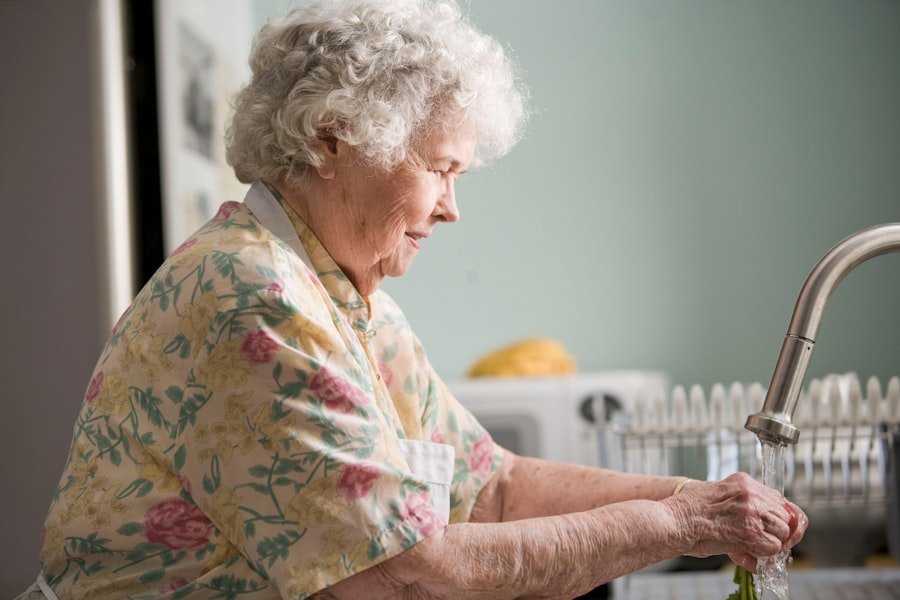
When considering assisted living facilities for your elderly loved one, it’s important to evaluate several key factors to ensure they receive the best possible care. Start by assessing the facility’s staff-to-resident ratio, as this can significantly impact the level of attention and support your loved one will receive. A lower ratio often means more personalized care, which can be crucial for seniors with specific needs.
Another critical aspect to consider is the range of services offered by the facility. Look for amenities such as meal preparation, transportation services, and recreational activities that cater to your loved one’s interests. You may also want to inquire about the facility’s approach to health monitoring and medication management, as these services are vital for seniors with chronic conditions.
By thoroughly researching and visiting potential assisted living facilities, you can make an informed decision that prioritizes your loved one’s comfort and well-being.
Memory Care Services for Seniors with Dementia
| Memory Care Services for Seniors with Dementia | Statistics |
|---|---|
| Number of Memory Care Facilities | 5000 |
| Average Staff-to-Resident Ratio | 1:5 |
| Percentage of Residents with Dementia | 80% |
| Monthly Cost of Memory Care Services | 5000 |
Caring for a loved one with dementia requires specialized knowledge and skills that standard caregiving may not provide. Memory care services are designed specifically for seniors experiencing cognitive decline, offering a safe and supportive environment tailored to their unique needs. When exploring memory care options, look for facilities that employ trained staff who understand the complexities of dementia and can provide appropriate interventions.
In addition to specialized care, memory care services often include structured activities that promote cognitive engagement and social interaction.
By choosing a memory care facility that prioritizes both safety and engagement, you can help ensure that your loved one receives compassionate care while maintaining their dignity.
Hospice Care: Providing Comfort and Support
Hospice care is a compassionate approach designed to provide comfort and support to individuals facing terminal illnesses. If your loved one is nearing the end of life, hospice services can offer invaluable assistance in managing pain and other symptoms while also addressing emotional and spiritual needs. This type of care focuses on enhancing quality of life rather than curative treatments, allowing your loved one to spend their remaining time in peace.
In addition to medical support, hospice care often includes counseling services for both patients and their families. This holistic approach ensures that everyone involved receives the emotional support they need during this challenging time. By considering hospice care options, you can provide your loved one with dignity and comfort while also finding solace in knowing they are receiving compassionate care.
Transportation Services for Seniors
Overcoming Mobility Challenges
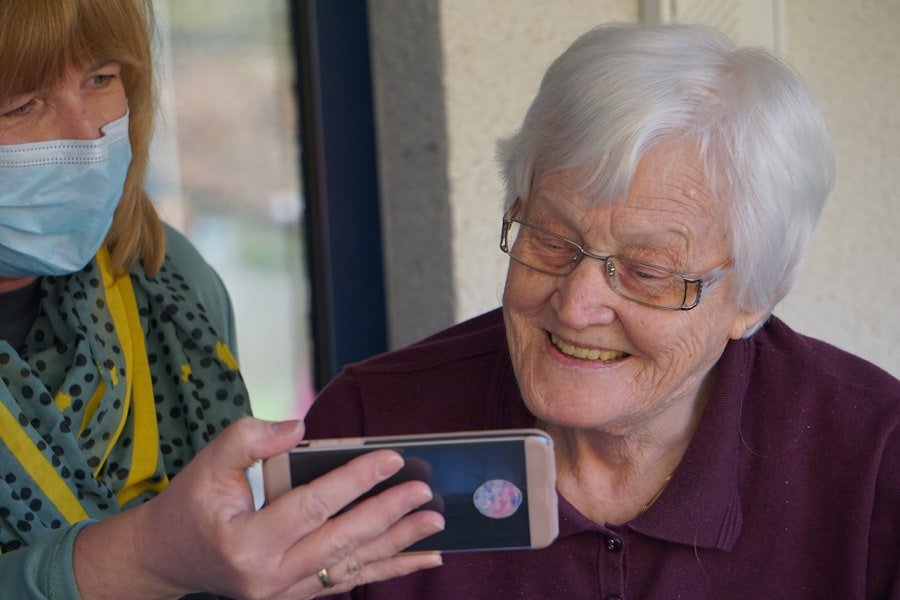
Fortunately, transportation services specifically designed for seniors can help bridge this gap, ensuring they remain connected to their community.
Key Features to Consider
When exploring transportation options, consider services that offer door-to-door assistance and accommodate mobility aids such as walkers or wheelchairs. Some organizations even provide volunteer drivers who are trained to assist seniors with special needs.
Empowering Independence
By facilitating access to transportation, you empower your loved one to engage in activities that promote their well-being and socialization.
Meal Preparation and Nutrition Services
Proper nutrition is essential for maintaining health and vitality as we age. However, many seniors face challenges when it comes to meal preparation due to physical limitations or lack of motivation. Meal preparation and nutrition services can play a crucial role in ensuring your loved one receives balanced meals tailored to their dietary needs.
These services often include meal delivery options that provide nutritious meals right to your loved one’s doorstep. Additionally, some programs offer personalized meal planning based on specific health conditions or preferences. By prioritizing nutrition through these services, you can help your loved one maintain their strength and overall health while alleviating the stress associated with meal preparation.
Health Monitoring and Medication Management
Managing health conditions and medications can be overwhelming for seniors and their families alike. Health monitoring and medication management services are designed to simplify this process, ensuring that your loved one adheres to their prescribed treatment plans while minimizing the risk of complications. These services often include regular check-ins by healthcare professionals who can monitor vital signs and assess overall health.
Furthermore, medication management services can help organize prescriptions and remind your loved one when it’s time to take their medications. This proactive approach not only enhances adherence but also provides peace of mind for you as a caregiver. By utilizing these services, you can ensure that your loved one receives comprehensive health management tailored to their specific needs.
Socialization and Recreational Activities for Seniors
Socialization is a vital component of healthy aging, yet many seniors struggle to maintain connections as they grow older. Engaging in recreational activities can provide opportunities for social interaction while promoting physical and mental well-being. You might consider exploring local community centers or senior clubs that offer various programs tailored to seniors’ interests.
From art classes to exercise groups, recreational activities can help your loved one stay active while fostering new friendships. Additionally, many facilities offer organized outings or events that encourage participation in community life. By prioritizing socialization through these activities, you can help combat feelings of isolation and enhance your loved one’s overall quality of life.
Respite Care for Family Caregivers
Caring for an elderly loved one can be both rewarding and exhausting. As a family caregiver, it’s essential to recognize when you need a break to recharge physically and emotionally. Respite care services provide temporary relief by offering professional caregivers who can step in during times when you need time off or have other commitments.
These services can be arranged for just a few hours or extended periods, depending on your needs. Respite care not only allows you to take care of yourself but also ensures that your loved one continues to receive quality care in your absence. By utilizing respite care options, you can maintain your well-being while ensuring your loved one remains supported.
Financial Assistance and Insurance Options for Elderly Care
Navigating the financial aspects of elderly care can be daunting, but understanding available assistance programs and insurance options is crucial for making informed decisions. Many families find themselves overwhelmed by the costs associated with long-term care; however, various resources exist to help alleviate this burden. Start by exploring government programs such as Medicaid or Medicare that may cover certain aspects of elderly care.
Additionally, some states offer financial assistance programs specifically designed for low-income seniors needing long-term care support. By researching these options thoroughly, you can identify potential financial resources that will ease the financial strain while ensuring your loved one receives the necessary care they deserve. In conclusion, caring for elderly loved ones involves understanding their unique needs and exploring various support options available in the community.
From in-home care services to assisted living facilities and beyond, there are numerous resources designed to enhance their quality of life while providing peace of mind for you as a caregiver. By taking proactive steps in researching these options, you can create a supportive environment that prioritizes both health and happiness for your elderly family members.
An interesting related article discusses how to extend smartphone battery life, which can be particularly beneficial for seniors who rely on their devices for communication and accessing care services. Ensuring that their smartphones are always ready for use can significantly improve their ability to stay connected with caregivers and family members. For more information, you can read the full article on this topic by visiting this link.
FAQs
What are care services for elderly?
Care services for elderly refer to a range of support and assistance provided to older individuals who may need help with daily activities, medical care, or emotional support. These services can be provided in various settings, including at home, in assisted living facilities, or in nursing homes.
What types of care services are available for elderly individuals?
There are several types of care services available for elderly individuals, including home care, adult day care, assisted living, and nursing home care. Home care services can include assistance with activities of daily living, medication management, and companionship. Adult day care provides social and recreational activities for elderly individuals during the day. Assisted living facilities offer a combination of housing, personal care services, and health care. Nursing homes provide 24-hour skilled nursing care for individuals with more complex medical needs.
How do I know if an elderly individual needs care services?
Signs that an elderly individual may need care services include difficulty with activities of daily living, such as bathing, dressing, or meal preparation, as well as memory loss, chronic health conditions, or social isolation. It’s important to consult with a healthcare professional to assess the individual’s needs and determine the appropriate level of care.
What should I consider when choosing care services for an elderly loved one?
When choosing care services for an elderly loved one, it’s important to consider their specific needs, preferences, and financial situation. Factors to consider include the level of care required, the location and amenities of the care facility, the qualifications and reputation of the care providers, and the cost of the services. It’s also important to involve the elderly individual in the decision-making process as much as possible.
How can I pay for care services for an elderly individual?
Paying for care services for an elderly individual can be done through a combination of sources, including private funds, long-term care insurance, Medicaid, and Veterans Affairs benefits. Some individuals may also qualify for assistance through programs such as Medicare or the Older Americans Act. It’s important to explore all available options and consult with a financial advisor or elder care specialist to determine the best approach for paying for care services.
🌿 Recommended Wellness Support
If you’re looking for natural ways to support your overall vitality and energy as you age, consider exploring LionCare Wellness Products.
These supplements are designed to complement a healthy lifestyle — helping you stay active and feel your best every day.
💚 Affiliate note: We may earn a commission when you make a purchase through our link, helping us continue to share free wellness tips for seniors.
💌 Join Our Wellness Community
Want more simple, science-based health tips for active aging?
Subscribe to our newsletter here:
👉 The Restoration Newsletter on Beehiiv


