
As you navigate the complexities of elder care, it becomes increasingly clear that the quality of services provided in elder care homes is paramount. The elderly population often faces unique challenges, including physical limitations, cognitive decline, and emotional distress. Quality elder care home services not only address these challenges but also enhance the overall well-being of residents.
Moreover, quality elder care services can significantly impact the mental and emotional health of residents. A nurturing environment can alleviate feelings of loneliness and isolation, which are common among the elderly.
By ensuring that your loved ones receive compassionate care, you contribute to their happiness and quality of life. This understanding underscores the importance of selecting a care provider that prioritizes the needs and preferences of each individual resident.
Key Takeaways
- Quality elder care home services are important for the well-being and comfort of elderly residents.
- Choosing the right elder care home service provider involves thorough research and consideration of the specific needs of the elderly individual.
- Creating a safe and comfortable environment for elderly residents is essential for their physical and emotional well-being.
- Proper nutrition and meal planning are crucial for the health and vitality of elderly residents in care homes.
- Providing access to medical care and assistance is a fundamental aspect of quality elder care home services.
Choosing the Right Elder Care Home Service Provider
Selecting the right elder care home service provider is a critical decision that requires careful consideration. You should begin by researching various facilities in your area, paying close attention to their reputation and reviews from other families. It’s essential to visit potential homes in person to get a feel for the environment and observe how staff interact with residents.
This firsthand experience can provide invaluable insights into the quality of care offered. In addition to visiting facilities, you should also inquire about the qualifications and training of the staff members. A well-trained team is crucial for providing high-quality care.
Ask about their approach to caregiving, including how they handle emergencies and support residents with specific needs. By gathering this information, you can make an informed decision that aligns with your loved one’s requirements and preferences.
Creating a Safe and Comfortable Environment for Elderly Residents
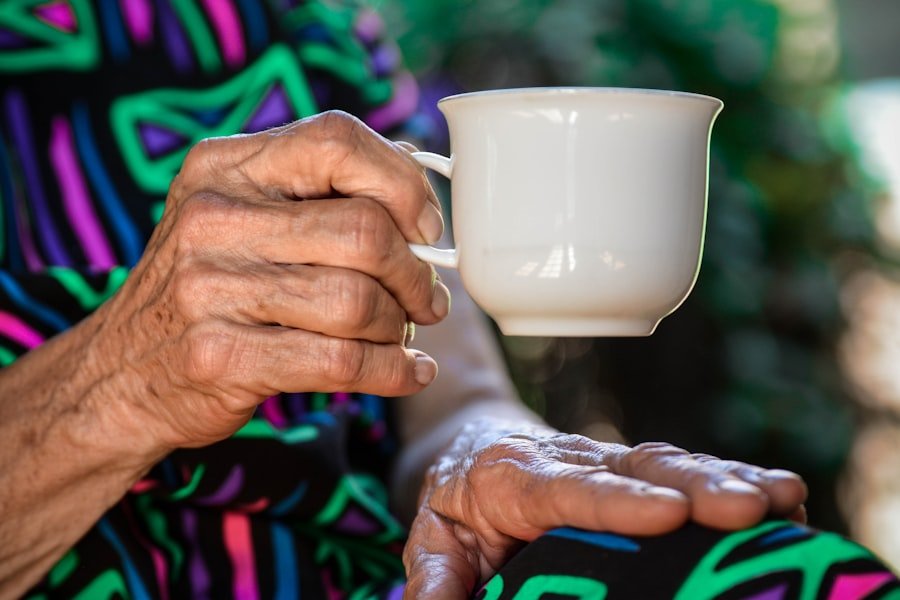
Creating a safe and comfortable environment for elderly residents is essential for their well-being. You should consider various factors, such as accessibility, safety features, and overall ambiance when evaluating elder care homes. For instance, look for facilities that are designed with mobility in mind, featuring ramps, handrails, and wide hallways to accommodate wheelchairs or walkers.
A safe environment minimizes the risk of falls and accidents, which can be particularly detrimental to older adults. Comfort is equally important in fostering a positive living experience. You may want to assess the living spaces for warmth and homeliness.
Personal touches, such as family photos or favorite decorations, can make a significant difference in how residents feel about their surroundings. Additionally, consider the availability of communal areas where residents can socialize and engage with one another. A comfortable environment encourages social interaction, which is vital for mental health and emotional well-being.
Implementing Proper Nutrition and Meal Planning for Elderly Residents
| Metrics | Results |
|---|---|
| Number of elderly residents | 100 |
| Percentage of residents with improved nutrition | 80% |
| Number of meal planning workshops conducted | 10 |
| Percentage of residents participating in meal planning workshops | 70% |
Proper nutrition is a cornerstone of health for elderly residents, making meal planning an essential aspect of elder care services. You should ensure that the facility provides balanced meals tailored to meet the dietary needs of older adults. This includes considering any specific health conditions, such as diabetes or heart disease, which may require special dietary restrictions.
A well-planned menu not only supports physical health but also enhances the overall quality of life for residents. In addition to nutritional considerations, it’s important to create an enjoyable dining experience. You might want to inquire about how meals are served and whether residents have input into menu choices.
Engaging residents in meal planning can foster a sense of autonomy and satisfaction. Furthermore, consider whether the facility accommodates special dietary preferences or cultural cuisines, as this can significantly enhance residents’ dining experiences.
Providing Access to Medical Care and Assistance
Access to medical care is a fundamental aspect of elder care that cannot be overlooked. You should ensure that the elder care home has established relationships with healthcare providers who specialize in geriatric care. Regular medical check-ups and prompt attention to health issues are crucial for maintaining the well-being of elderly residents.
Inquire about how the facility manages medical appointments and whether they have on-site medical staff available for emergencies. Additionally, consider how the facility handles medication management. Proper medication administration is vital for preventing complications related to chronic conditions.
You may want to ask about their protocols for tracking medications, including dosage schedules and potential side effects. A reliable system for managing medications can significantly reduce the risk of errors and ensure that residents receive the appropriate care they need.
Offering Engaging and Stimulating Activities for Elderly Residents

Engagement and stimulation are essential components of a fulfilling life for elderly residents. You should look for elder care homes that offer a variety of activities designed to cater to different interests and abilities. These activities can range from arts and crafts to exercise classes or even gardening clubs.
By providing diverse options, you help ensure that residents remain active and engaged in their daily lives. Moreover, social interaction through group activities can combat feelings of loneliness and isolation among elderly individuals. You might want to inquire about how often activities are scheduled and whether they encourage participation from all residents.
A vibrant activity program not only enhances physical health but also promotes mental well-being by fostering connections among residents.
Ensuring Proper Medication Management for Elderly Residents
Effective medication management is crucial in elder care settings, as many elderly individuals take multiple medications for various health conditions. You should ensure that the facility has a robust system in place for tracking medications and administering them correctly. This includes maintaining accurate records of each resident’s prescriptions, dosages, and schedules to prevent any potential errors.
Additionally, consider how the staff communicates with residents regarding their medications. It’s important that residents understand what medications they are taking and why they are necessary. This knowledge empowers them to take an active role in their health management.
By prioritizing proper medication management, you contribute significantly to the overall health and safety of elderly residents.
Maintaining Cleanliness and Hygiene Standards in Elder Care Homes
Cleanliness and hygiene are non-negotiable aspects of elder care homes that directly impact residents’ health and comfort. You should assess how well-maintained the facility is during your visits, paying attention to common areas as well as individual living spaces. A clean environment not only prevents infections but also creates a welcoming atmosphere for residents.
In addition to general cleanliness, inquire about the facility’s protocols for infection control, especially in light of recent global health concerns. Understanding how staff members are trained in hygiene practices can provide peace of mind regarding your loved one’s safety. Regular cleaning schedules and adherence to strict hygiene standards are essential components of quality elder care services.
Training and Supporting Caregivers to Provide Quality Care
The quality of care provided in elder care homes largely depends on the training and support offered to caregivers. You should inquire about the training programs available for staff members, focusing on their qualifications in geriatric care and specialized training in areas such as dementia or mobility assistance. Well-trained caregivers are better equipped to meet the diverse needs of elderly residents.
Moreover, ongoing support for caregivers is essential in maintaining high standards of care. You might want to ask about opportunities for professional development or continuing education within the facility. A supportive work environment not only enhances caregiver satisfaction but also translates into better care for residents.
Implementing Regular Assessments and Reviews of Elder Care Services
Regular assessments and reviews of elder care services are vital for ensuring that residents receive optimal care tailored to their evolving needs. You should inquire about how often these assessments are conducted and what criteria are used to evaluate the quality of services provided. Regular evaluations allow caregivers to identify areas for improvement and make necessary adjustments to enhance resident care.
Additionally, consider how feedback from residents and their families is incorporated into these assessments.
By prioritizing regular assessments, you contribute to a culture of continuous improvement within the elder care home.
Creating a Supportive and Inclusive Community for Elderly Residents
Finally, creating a supportive and inclusive community within elder care homes is essential for fostering a sense of belonging among residents. You should look for facilities that prioritize social connections through group activities, communal dining experiences, and opportunities for residents to share their stories and experiences with one another. Encouraging inclusivity also means recognizing and celebrating diversity among residents.
You might want to inquire about how the facility accommodates different cultural backgrounds or traditions within its community activities. A supportive environment not only enhances emotional well-being but also enriches the lives of all residents by promoting understanding and camaraderie. In conclusion, navigating elder care requires careful consideration of various factors that contribute to quality services.
By understanding the importance of these elements—from choosing the right provider to creating a supportive community—you can ensure that your loved ones receive the best possible care in their golden years.
Elder care home care is an essential service that allows seniors to receive personalized assistance while remaining in the comfort of their own homes. This approach not only supports their independence but also enhances their quality of life by providing tailored care that meets their specific needs. For more insights into senior health and wellness, you can explore a variety of resources available on Senior Health Tips, which offers valuable information and tips to help seniors maintain a healthy and fulfilling lifestyle.
FAQs
What is elder care home care?
Elder care home care refers to the services provided to elderly individuals in their own homes, rather than in a nursing home or assisted living facility. These services can include assistance with activities of daily living, medication management, meal preparation, and companionship.
What services are typically provided in elder care home care?
Services provided in elder care home care can vary depending on the individual’s needs, but may include assistance with personal care, household chores, transportation, medication management, and companionship. Some home care agencies may also offer specialized services such as dementia care or physical therapy.
How is elder care home care different from assisted living or nursing home care?
Elder care home care allows individuals to remain in their own homes while receiving the assistance they need, whereas assisted living and nursing home care involve living in a facility with 24-hour supervision and care. Home care provides a more personalized and flexible approach to meeting the individual’s needs.
Who can benefit from elder care home care?
Elder care home care can benefit elderly individuals who wish to remain in their own homes but require assistance with daily activities. It can also be beneficial for family members who may need support in caring for their aging loved ones while balancing their own responsibilities.
How can one find a reputable elder care home care provider?
Finding a reputable elder care home care provider involves researching and comparing different agencies, reading reviews, and asking for recommendations from healthcare professionals or friends and family. It’s important to ensure that the provider is licensed, bonded, and insured, and that their caregivers are trained and experienced in elder care.
🌿 Recommended Wellness Support
If you’re looking for natural ways to support your overall vitality and energy as you age, consider exploring LionCare Wellness Products.
These supplements are designed to complement a healthy lifestyle — helping you stay active and feel your best every day.
💚 Affiliate note: We may earn a commission when you make a purchase through our link, helping us continue to share free wellness tips for seniors.
💌 Join Our Wellness Community
Want more simple, science-based health tips for active aging?
Subscribe to our newsletter here:
👉 The Restoration Newsletter on Beehiiv


