As you age, the importance of nutrition becomes increasingly evident. Proper nutrition is not just about maintaining a healthy weight; it plays a crucial role in overall health and well-being. For the elderly, a balanced diet can help prevent chronic diseases, enhance cognitive function, and improve quality of life.
You may find that the right nutrients can bolster your immune system, reduce the risk of heart disease, and even support mental health. In essence, what you eat can significantly influence how you feel and function as you grow older. Moreover, good nutrition is vital for maintaining independence.
As you age, your body undergoes various changes that can affect your ability to perform daily activities. A well-balanced diet can help you maintain strength and mobility, allowing you to continue engaging in the activities you love. When you prioritize your nutritional needs, you are not just nourishing your body; you are also investing in your future well-being and autonomy.
Key Takeaways
- Proper nutrition is crucial for the health and well-being of the elderly
- Nutritional needs of the elderly include increased protein, calcium, and vitamin D intake
- Challenges in elderly nutrition include decreased appetite, limited income, and difficulty in preparing meals
- The Elderly Nutrition Program plays a vital role in providing meals and nutrition education to seniors
- Benefits of the Elderly Nutrition Program include improved health, reduced healthcare costs, and social interaction for the elderly
Understanding the Nutritional Needs of the Elderly
Understanding the specific nutritional needs of the elderly is essential for promoting health and longevity. As you age, your metabolism slows down, and your body may require fewer calories. However, this does not mean that your nutritional needs diminish.
In fact, older adults often need more of certain nutrients, such as calcium, vitamin D, and B vitamins, to support bone health, cognitive function, and energy levels. You may need to be more mindful of incorporating nutrient-dense foods into your diet to ensure that you are meeting these needs. Additionally, hydration is a critical aspect of elderly nutrition that is often overlooked.
As you age, your sense of thirst may diminish, making it easier to become dehydrated. Drinking enough fluids is essential for maintaining bodily functions and preventing complications such as urinary tract infections or kidney stones. You should aim to drink water regularly throughout the day and consider incorporating hydrating foods like fruits and vegetables into your meals.
Challenges in Elderly Nutrition
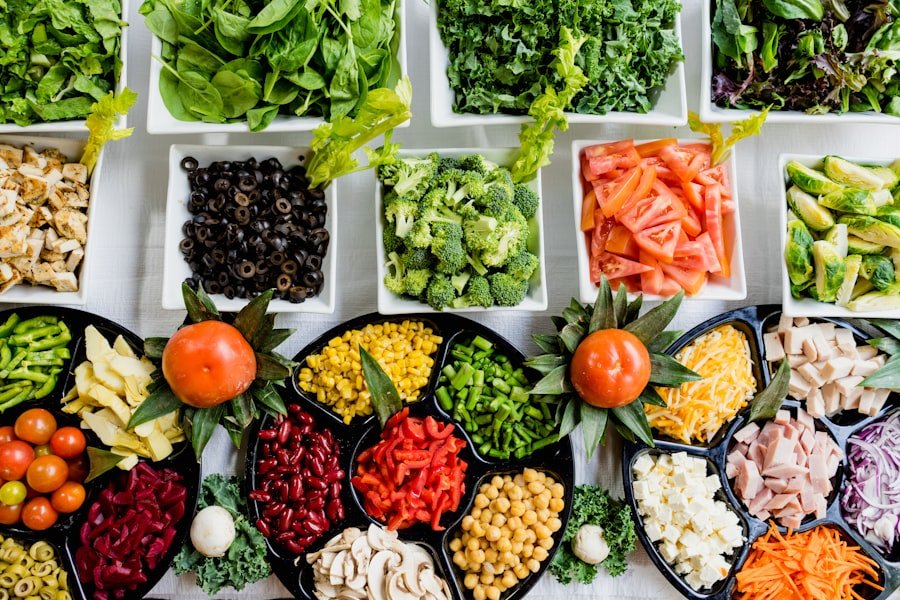
Despite the clear importance of nutrition for older adults, several challenges can hinder proper dietary practices. One significant issue is limited access to healthy food options. Many elderly individuals may live in food deserts where fresh produce and nutritious foods are scarce.
This lack of access can lead to reliance on processed foods that are often high in sodium and unhealthy fats. You may find it difficult to maintain a balanced diet if you do not have easy access to grocery stores or farmers’ markets. Another challenge is the physical limitations that often accompany aging.
Conditions such as arthritis or mobility issues can make grocery shopping and meal preparation daunting tasks. You might find yourself opting for convenience foods that are quick to prepare but lack essential nutrients. Additionally, cognitive decline can impact your ability to plan meals or remember to eat regularly.
These barriers can create a cycle of poor nutrition that negatively affects your health.
The Role of the Elderly Nutrition Program
| Metrics | Data |
|---|---|
| Number of Elderly Participants | 500 |
| Number of Meals Served | 10,000 |
| Percentage of Participants Satisfied with Meals | 90% |
| Cost per Meal | 5.00 |
The Elderly Nutrition Program (ENP) plays a vital role in addressing the nutritional needs of older adults. This program aims to provide access to nutritious meals while also promoting social interaction among seniors. By participating in ENP services, you can receive balanced meals that meet dietary guidelines specifically designed for older adults.
These meals are often provided at community centers or delivered directly to your home, ensuring that you have access to healthy food regardless of your circumstances. In addition to meal provision, the ENP also focuses on education and outreach. The program often includes nutrition education workshops that teach older adults about healthy eating habits and meal planning.
The ENP serves as a comprehensive resource for seniors seeking to improve their nutritional status and overall well-being.
Benefits of the Elderly Nutrition Program
The benefits of the Elderly Nutrition Program extend far beyond just providing meals. One of the most significant advantages is the social aspect of communal dining. Sharing meals with peers can combat feelings of loneliness and isolation that many older adults experience.
When you gather with others for a meal, you not only enjoy nutritious food but also foster connections that enhance emotional well-being. Furthermore, the ENP can lead to improved health outcomes for participants. Studies have shown that seniors who engage with nutrition programs experience better dietary intake and overall health status compared to those who do not participate.
By receiving balanced meals and nutrition education, you may find it easier to manage chronic conditions such as diabetes or hypertension. The program empowers you to take control of your health through informed dietary choices.
How to Promote the Elderly Nutrition Program

Promoting the Elderly Nutrition Program is essential for ensuring that more seniors can benefit from its services. One effective way to raise awareness is through community outreach initiatives. You might consider collaborating with local organizations, healthcare providers, and senior centers to disseminate information about the program’s offerings.
Hosting informational sessions or workshops can help educate both seniors and their caregivers about the importance of nutrition and how the ENP can support their needs. Social media platforms also provide an excellent avenue for promotion. By sharing success stories, testimonials, and educational content online, you can reach a broader audience and encourage more seniors to participate in the program.
Engaging visuals and informative posts can capture attention and spark interest in healthy eating among older adults in your community.
Collaborating with Community Partners for Elderly Nutrition
Collaboration with community partners is crucial for enhancing the effectiveness of elderly nutrition initiatives. You may find it beneficial to work alongside local businesses, healthcare providers, and non-profit organizations to create a comprehensive support network for seniors. For instance, partnering with local farms can facilitate access to fresh produce for meal programs, while healthcare providers can help identify seniors who may benefit from nutritional support.
Additionally, engaging volunteers from the community can strengthen the program’s reach and impact. Volunteers can assist with meal preparation, delivery, or even provide companionship during communal dining events. By fostering a sense of community involvement, you not only enhance the program’s resources but also create a supportive environment for older adults seeking nutritional assistance.
Implementing Effective Nutrition Education for the Elderly
Implementing effective nutrition education tailored specifically for older adults is essential for promoting healthy eating habits. You should consider using simple language and clear visuals when presenting information about nutrition. Workshops or classes that focus on practical skills—such as meal planning, grocery shopping on a budget, or cooking demonstrations—can empower seniors to make healthier choices in their daily lives.
Moreover, incorporating culturally relevant foods into nutrition education can enhance engagement among diverse populations of older adults. By recognizing and respecting cultural preferences, you can create a more inclusive environment that encourages participation in nutrition programs. Providing resources in multiple languages or offering classes that celebrate various culinary traditions can help ensure that all seniors feel welcome and supported.
Overcoming Barriers to Elderly Nutrition
Overcoming barriers to elderly nutrition requires a multifaceted approach that addresses both individual and systemic challenges. You may need to advocate for policies that improve access to healthy food options in underserved areas. This could involve working with local governments to establish farmers’ markets or community gardens that cater specifically to seniors.
Additionally, addressing transportation issues is crucial for ensuring that older adults can access nutritious foods. You might explore partnerships with local transportation services or volunteer organizations that offer rides to grocery stores or meal programs. By tackling these logistical challenges head-on, you can help create an environment where seniors have the resources they need to maintain a healthy diet.
Evaluating the Success of the Elderly Nutrition Program
Evaluating the success of the Elderly Nutrition Program is essential for understanding its impact on participants’ health and well-being. You should consider implementing surveys or feedback forms that allow seniors to share their experiences with the program. Gathering data on participants’ dietary habits, health outcomes, and overall satisfaction can provide valuable insights into areas for improvement.
Additionally, tracking participation rates and meal distribution metrics can help assess the program’s reach within the community. By analyzing this data over time, you can identify trends and make informed decisions about how to enhance services further. Continuous evaluation ensures that the program remains responsive to the evolving needs of older adults.
Future Directions for Elderly Nutrition Programs
Looking ahead, there are several promising directions for elderly nutrition programs that could further enhance their effectiveness. One potential avenue is leveraging technology to improve access to nutritional resources. You might explore developing mobile applications or online platforms that provide meal planning tools, recipes, and educational materials tailored specifically for older adults.
Furthermore, integrating mental health support into nutrition programs could address the emotional aspects of eating and well-being among seniors.
In conclusion, prioritizing elderly nutrition is essential for promoting health and well-being among older adults.
By understanding their unique nutritional needs and addressing challenges through programs like the Elderly Nutrition Program, you can make a significant difference in their lives. Through collaboration with community partners and effective education initiatives, we can work together to ensure that all seniors have access to the nutritious foods they need to thrive as they age.
Elderly nutrition programs play a crucial role in maintaining the health and well-being of seniors, ensuring they receive the necessary nutrients to support their overall health. These programs often work in conjunction with other senior care services to provide comprehensive support. For more information on how these services can enhance the quality of life for seniors, you can read the article on Quality Senior Care Services: Ensuring Comfort and Support. This article delves into various aspects of senior care, highlighting the importance of a holistic approach to elderly well-being, which includes proper nutrition as a key component.
FAQs
What is an elderly nutrition program?
An elderly nutrition program is a government-funded initiative that provides nutritious meals to seniors aged 60 and above who may be at risk of malnutrition or food insecurity.
What are the benefits of an elderly nutrition program?
The benefits of an elderly nutrition program include improved health outcomes, reduced risk of chronic diseases, increased social interaction, and overall improved quality of life for participating seniors.
Who is eligible for an elderly nutrition program?
Seniors aged 60 and above who are at risk of malnutrition or food insecurity are typically eligible for an elderly nutrition program. Eligibility criteria may vary by program and location.
What types of meals are provided in an elderly nutrition program?
Elderly nutrition programs typically provide a variety of nutritious meals, including balanced lunches, dinners, and sometimes breakfasts. These meals are designed to meet the dietary needs of seniors and often accommodate specific dietary restrictions.
How are elderly nutrition programs funded?
Elderly nutrition programs are often funded through a combination of federal, state, and local government funding, as well as private donations and grants from charitable organizations.
How can seniors access an elderly nutrition program?
Seniors can access an elderly nutrition program by contacting their local Area Agency on Aging or senior center to inquire about available programs and eligibility requirements. Some programs may also offer home delivery options for seniors who are unable to travel to a meal site.
🌿 Recommended Wellness Support
If you’re looking for natural ways to support your overall vitality and energy as you age, consider exploring LionCare Wellness Products.
These supplements are designed to complement a healthy lifestyle — helping you stay active and feel your best every day.
💚 Affiliate note: We may earn a commission when you make a purchase through our link, helping us continue to share free wellness tips for seniors.
💌 Join Our Wellness Community
Want more simple, science-based health tips for active aging?
Subscribe to our newsletter here:
👉 The Restoration Newsletter on Beehiiv


