
As you navigate the complexities of aging, the importance of home care for seniors becomes increasingly evident. Home care allows older adults to remain in the comfort of their own homes while receiving the assistance they need. This approach not only fosters a sense of familiarity and security but also promotes a higher quality of life.
You may find that many seniors prefer to age in place, surrounded by cherished memories and personal belongings, rather than transitioning to a nursing home or assisted living facility. Home care provides a viable solution that respects their wishes while ensuring they receive the necessary support. Moreover, home care is essential in addressing the unique needs of seniors.
As individuals age, they often face various health challenges, including mobility issues, chronic illnesses, and cognitive decline. Home caregivers are trained to assist with these challenges, offering tailored support that enhances the overall well-being of seniors. By focusing on individual needs, home care can significantly improve health outcomes and promote a sense of dignity and autonomy among older adults.
You may realize that this personalized approach is crucial in helping seniors maintain their independence and quality of life.
Key Takeaways
- Home care for seniors is important for their overall well-being and quality of life.
- Home caregivers provide emotional support, physical assistance, and social interaction for seniors.
- Home caregivers play a crucial role in maintaining independence and improving the quality of life for seniors.
- The personalized care and attention offered by home caregivers greatly benefit seniors.
- Home caregivers not only benefit seniors, but also have a positive impact on family caregivers and provide financial benefits.
The Benefits of Home Caregivers for Seniors
Home caregivers offer a multitude of benefits that can greatly enhance the lives of seniors. One of the most significant advantages is the personalized attention they provide. Unlike larger facilities where staff may be stretched thin, home caregivers can focus solely on the individual needs of each senior.
This one-on-one care allows for a deeper understanding of preferences, routines, and specific health requirements. You might appreciate how this tailored approach can lead to better health management and overall satisfaction for seniors. In addition to personalized care, home caregivers also bring a wealth of experience and training to their roles.
They are equipped to handle various medical and non-medical tasks, from administering medications to assisting with daily activities such as bathing and meal preparation. This versatility ensures that seniors receive comprehensive support that addresses both their physical and emotional needs. You may find it reassuring to know that home caregivers are not only companions but also skilled professionals who can help manage complex health conditions.
How Home Caregivers Improve Quality of Life for Seniors
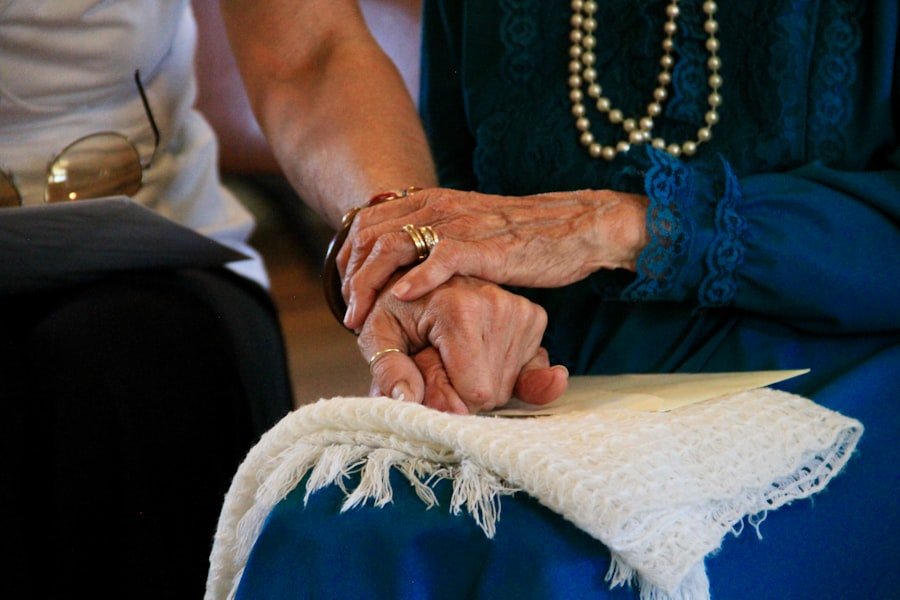
The presence of home caregivers can significantly improve the quality of life for seniors in numerous ways. One of the most immediate impacts is the enhancement of daily living activities. With assistance from caregivers, seniors can maintain their routines and engage in activities they enjoy, whether it’s gardening, reading, or simply taking a walk in their neighborhood.
You may notice that this support allows them to retain a sense of normalcy and purpose in their lives, which is vital for emotional well-being. Furthermore, home caregivers play a crucial role in promoting physical health among seniors. They encourage regular exercise, assist with mobility, and help manage medications effectively.
By ensuring that seniors adhere to their health regimens, caregivers can help prevent hospitalizations and complications related to chronic conditions. You might find it inspiring how these caregivers empower seniors to take charge of their health, leading to improved vitality and longevity.
The Role of Home Caregivers in Maintaining Independence for Seniors
| Metrics | Data |
|---|---|
| Number of Home Caregivers | 1.3 million |
| Percentage of Seniors Receiving Home Care | 89% |
| Types of Assistance Provided | Personal care, meal preparation, medication management, housekeeping |
| Impact on Independence | 87% of seniors report increased independence with home caregiving |
| Cost of Home Caregiving | Varies by location and level of care |
One of the most significant aspects of home care is its ability to help seniors maintain their independence. As you consider the aging process, you may recognize that many older adults fear losing their autonomy. Home caregivers are instrumental in alleviating these concerns by providing support while allowing seniors to make choices about their daily lives.
This balance between assistance and independence is crucial for fostering self-esteem and confidence among older adults. Home caregivers also facilitate independence by enabling seniors to remain engaged in their communities. Whether it’s accompanying them to social events or helping them stay connected with family and friends through technology, caregivers play a vital role in ensuring that seniors do not feel isolated.
You may appreciate how this support not only enhances their social interactions but also reinforces their sense of belonging and purpose within their communities.
The Emotional Support Provided by Home Caregivers for Seniors
Emotional support is another critical component of home care that significantly benefits seniors. As you may know, aging can bring about feelings of loneliness, anxiety, and depression. Home caregivers provide companionship that helps alleviate these emotional burdens.
By simply being present and engaging in meaningful conversations, caregivers can create a supportive environment where seniors feel valued and understood. Additionally, home caregivers are trained to recognize signs of emotional distress and can intervene appropriately. They offer reassurance and encouragement during difficult times, helping seniors navigate the challenges that come with aging.
You might find it heartwarming to see how this emotional support can lead to improved mental health outcomes for seniors, fostering resilience and a more positive outlook on life.
The Physical Assistance Offered by Home Caregivers for Seniors

Daily Challenges of Aging
As seniors age, daily tasks such as bathing, dressing, and meal preparation can become increasingly difficult. These challenges can lead to feelings of overwhelm and frustration if left unaddressed.
Support with Daily Activities
Home caregivers provide physical assistance to help seniors maintain their hygiene and nutrition. They support daily activities, ensuring that seniors receive the care they need without feeling burdened.
Enhancing Physical Safety and Mobility
Caregivers also assist with mobility issues, providing support during walks or transfers from bed to chair. This not only enhances physical safety but also encourages seniors to stay active and engaged in their daily lives. Maintaining physical activity is essential for overall health and well-being, and home caregivers play a vital role in facilitating this aspect of senior care.
The Social Interaction and Companionship Provided by Home Caregivers for Seniors
Social interaction is vital for maintaining mental health and emotional well-being as we age. Home caregivers provide essential companionship that helps combat feelings of isolation often experienced by seniors. You might find it comforting to know that these caregivers engage in conversations, share stories, and participate in activities that bring joy to older adults’ lives.
This social connection is invaluable in fostering a sense of belonging and community. In addition to one-on-one companionship, home caregivers can also facilitate social interactions with family members and friends. They can help seniors stay connected through phone calls or video chats, ensuring that relationships remain strong despite physical distance.
You may appreciate how this support not only enriches the lives of seniors but also provides peace of mind for family members who want their loved ones to feel connected and supported.
The Personalized Care and Attention Offered by Home Caregivers for Seniors
Personalized care is at the heart of what home caregivers provide for seniors. Each individual has unique needs, preferences, and routines that must be respected and accommodated. Home caregivers take the time to understand these nuances, creating customized care plans that reflect each senior’s lifestyle and desires.
You might find it reassuring to know that this level of attention ensures that seniors receive care tailored specifically to them. This personalized approach extends beyond physical assistance; it encompasses emotional support as well. Caregivers often develop strong relationships with the seniors they care for, allowing them to provide companionship that resonates on a personal level.
You may recognize how this bond fosters trust and comfort, making it easier for seniors to express their needs and concerns openly.
The Impact of Home Caregivers on Family Caregivers of Seniors
The presence of home caregivers not only benefits seniors but also has a profound impact on family caregivers. As you may know, family members often take on the role of primary caregivers for aging loved ones, which can be physically and emotionally taxing. Home caregivers provide much-needed respite for these family members, allowing them to recharge and focus on their own well-being.
By sharing the caregiving responsibilities, home caregivers enable family members to maintain healthier relationships with their loved ones. You might appreciate how this collaborative approach reduces stress and prevents caregiver burnout, ultimately leading to more positive interactions between family members and seniors. The support provided by home caregivers creates a harmonious balance that benefits everyone involved.
The Financial Benefits of Home Caregivers for Seniors
While the cost of home care may seem daunting at first glance, there are several financial benefits associated with hiring home caregivers for seniors. For one, home care is often more affordable than long-term stays in nursing homes or assisted living facilities. You may find it surprising how much money families can save by opting for in-home care while still ensuring their loved ones receive high-quality support.
Additionally, home care can lead to reduced healthcare costs over time. By providing assistance with daily activities and promoting adherence to medical regimens, home caregivers can help prevent hospitalizations and emergency room visits. This proactive approach not only enhances the quality of life for seniors but also alleviates financial burdens on families who would otherwise face high medical expenses.
You might see how investing in home care can be a wise financial decision in the long run.
The Future of Home Caregivers for Seniors
As you look toward the future, it’s clear that the demand for home caregivers will continue to grow as the population ages. With advancements in technology and an increasing emphasis on personalized care, the landscape of home care is evolving rapidly. You may find it exciting to consider how innovations such as telehealth services and smart home technology will enhance the capabilities of home caregivers, allowing them to provide even more effective support.
Moreover, as society becomes more aware of the importance of aging in place, there will likely be increased investment in training programs for home caregivers. This focus on education will ensure that caregivers are equipped with the skills necessary to meet the diverse needs of seniors effectively. You might feel optimistic about this trend as it promises a brighter future for both seniors and those who care for them—one where dignity, independence, and quality of life are prioritized above all else.
In conclusion, home care plays an essential role in enhancing the lives of seniors by providing personalized support that fosters independence, emotional well-being, and social connection. As you reflect on the myriad benefits offered by home caregivers, it becomes clear that they are invaluable partners in navigating the complexities of aging gracefully at home.
For those interested in learning more about the role and responsibilities of senior home caregivers, it’s essential to understand the broader context in which they operate. A great starting point is the “About Us” page on Senior Health Tips, which provides valuable insights into the mission and values of organizations dedicated to senior care.
🌿 Recommended Wellness Support
If you’re looking for natural ways to support your overall vitality and energy as you age, consider exploring LionCare Wellness Products.
These supplements are designed to complement a healthy lifestyle — helping you stay active and feel your best every day.
💚 Affiliate note: We may earn a commission when you make a purchase through our link, helping us continue to share free wellness tips for seniors.
💌 Join Our Wellness Community
Want more simple, science-based health tips for active aging?
Subscribe to our newsletter here:
👉 The Restoration Newsletter on Beehiiv


